How To Use Mulch For Protecting Plant Roots
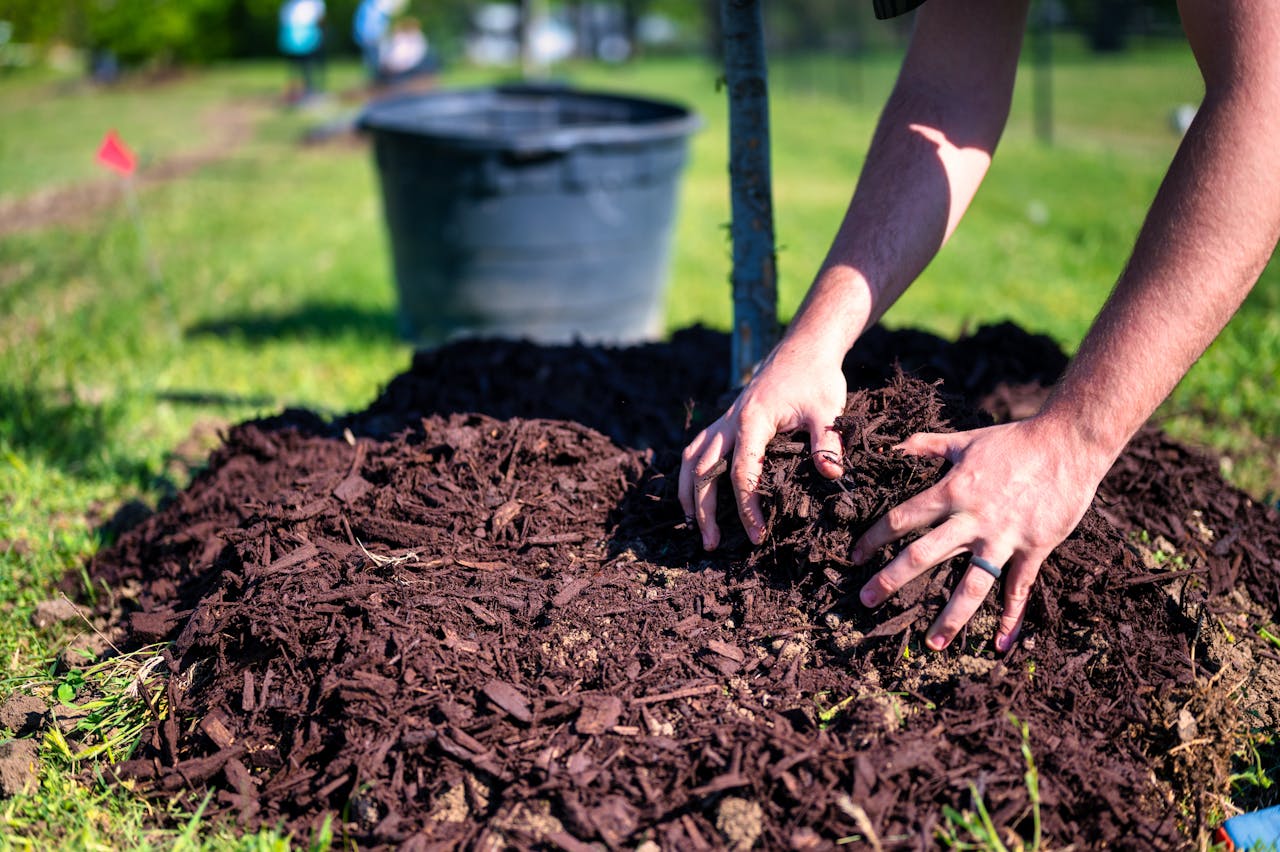
Keeping plant roots protected is one of the smartest ways to make sure your garden stays healthy year-round. Mulch plays a big role in helping with that. It sits on top of the soil like a shield, keeping the roots underneath safe from harsh temperatures, moisture loss, and weed attacks. Whether it’s the middle of summer or the beginning of winter, mulch helps your plants cope with rough changes in weather and water levels.
Healthy roots mean strong plants. If the roots get too hot, too cold, or too dry, your plants will struggle. By adding mulch to your garden beds or around your trees and shrubs, you give those roots a better place to grow. They’ll stay cooler, get more water, and won’t have to fight with weeds for space or nutrients. Once you understand how mulch works and what kinds are available, you can start using it in a way that really works for your outdoor space.
Types of Mulch for Root Protection
Not all mulch is the same. The type you choose can make a big difference depending on your garden’s needs, what’s growing in it, and how much time you want to spend on maintenance. Mulch usually falls into two main categories: organic and inorganic. Each one has its own pros and cons.
1. Organic Mulch
This type of mulch comes from natural, living materials. Over time, it breaks down and adds nutrients to the soil. That’s one reason it’s a top choice for gardens where you’re growing flowers or vegetables. Common examples include:
– Wood chips: These are great around trees, shrubs, and flower beds. They last a while and give the yard a tidy look.
– Straw: Often used in vegetable gardens. It breaks down quickly and adds good stuff to the soil, but can blow away in windy weather.
– Compost: Makes a great mulch if you want added nutrition in the soil. It helps hold in water too.
– Shredded leaves or grass clippings: These are easy to find and good short-term mulch options, especially in the fall.
One example: A homeowner who added a few inches of bark mulch around their rose bushes watched the plants thrive that summer. The mulch kept moisture in the soil and stopped weeds from popping up, so the roses didn’t have to compete.
2. Inorganic Mulch
Made from stuff that doesn’t break down, inorganic mulch sticks around much longer but won’t feed your soil. That might be fine depending on your plant goals. Here are a few options:
– Gravel or crushed stone: These work well in dry climates or decorative beds where you want low upkeep.
– Landscape fabric: A good choice under stone to stop weed growth.
– Rubber mulch: Usually made from recycled tires. It’s durable and keeps soil temperature steady, but isn’t good for adding nutrients to the dirt.
Picking the right type comes down to what you’re planting, how much care the space needs, and the look you’re going for. Some gardens may even do well with both types in different areas.
How Mulch Protects Plant Roots
Mulch is more than just a way to make your yard look clean and finished. It acts like a built-in caretaker for plant roots. Once laid down, it starts helping out right away by doing three key things: regulating temperature, holding in moisture, and blocking weeds.
– Regulates Temperature
During summer, the sun can heat up the ground fast. In winter, the cold air can freeze the top layer of soil. Mulch adds an extra layer that slows down these changes. This way, roots don’t go through sudden stress, helping plants grow straighter and stronger.
– Holds in Moisture
Water evaporates a lot faster from bare soil. With mulch, the soil stays damp longer, cutting down on how often you need to water. That’s handy for both people with large gardens and those watering by hand.
– Keeps Weeds from Taking Over
When soil is left open, weed seeds blow in, take root, and steal nutrients from your plants. A good layer of mulch keeps most of them from seeing the light. Less weeding means healthier plants and fewer hours spent bent over garden beds.
When mulch is used the right way, it acts kind of like a bodyguard for your plants. It doesn’t just sit there and look nice. It works with the natural cycles of your soil to create a better growing environment underneath. Knowing how it works helps you get the most out of it.
Best Practices for Applying Mulch
Once you’ve decided on the type of mulch you want to use, applying it correctly is the next step. Proper application ensures your plants get all the benefits mulch has to offer without any drawbacks. Here are a few key tips to keep in mind:
1. Proper Depth
– Aim to spread mulch evenly to a depth of about 2 to 4 inches. Too thin, and it won’t be effective at keeping weeds out and moisture in. Too thick, and it may suffocate the roots or even become a haven for pests.
2. Application Techniques
– Start by removing any weeds or debris from the area to be mulched. Once clear, spread the mulch in a consistent layer. Be careful not to heap it against plant stems or tree trunks, as this can encourage rot.
3. Maintenance Tips
– Over time, mulch breaks down and may become compacted. Give it a quick fluff with a rake to keep it loose and air circulating. Periodically check the mulch depth and add more as needed to maintain a 2 to 4-inch layer.
For an example, consider a gardener with a small vegetable patch. They diligently keep their mulch about 3 inches thick and ensure it isn’t piled up on plant stems. This simple practice supports healthy root systems and reduces the time spent on weeding.
Selecting the Right Mulch Based on Climate and Garden Needs
Choosing the right mulch also means considering your climate and the specific needs of your plants. Not every mulch is perfect for every garden, but knowing how to match mulch types to your environmental conditions makes a big difference.
– Climate Considerations
If you live in a hot and dry area, inorganic options like gravel can help by retaining heat during cooler nights and reducing evaporation during hot days. If your weather is wetter, organic mulch such as wood chips may work better since they allow enough drainage and help prevent soggy soil.
– Plant-Specific Needs
Consider what you’re growing. For a vegetable garden, organic mulch like straw or compost is great for adding nutrients. On the other hand, ornamental plants might benefit from decorative gravel to set off blooms while still preserving soil moisture.
Tailoring your mulch choice based on these factors can lead to a more successful garden tailored to thrive under your specific conditions.
Wrapping Up Your Mulch Strategy
Understanding how to best use mulch can transform your garden from just okay to thriving. Taking steps to choose the right type, apply it correctly, and maintain it through the seasons makes a huge difference. Whether you’re growing vegetables or flowers, these strategies help you get the best out of your outdoor space.
Exploring various mulch options and figuring out what works best for your garden can be a satisfying journey. Each choice brings unique benefits tailored to your plants and the climate you live in. This thoughtful approach will keep your garden healthy and looking its best all year round.
Make your garden thrive by choosing the best materials to suit your climate and plant requirements. Explore our selection of mason supplies at Mr. Pavers to find the right mulch and other landscaping solutions for a beautiful and healthy outdoor space. Let our experience help you create the garden of your dreams with ease and confidence.