Garden Ground Cover Choices Beyond Mulch and Turf

Rethink Garden Ground Cover for a More Lively Yard
Garden ground cover does not have to mean plain mulch and a patchy lawn. If you are tired of hauling bark every spring or fighting dry, thin turf, there are better options that still look clean and finished. With the right mix of materials, your yard can feel more like an outdoor room and less like a chore list.
Many homeowners are looking past basic lawns because of rising water use, busy schedules, and a desire for a more professional look. Ground cover can do much more than hide dirt. It can guide where people walk, handle runoff, and frame your plants so they really stand out. In this post, we will walk through stone, gravel, pavers, living ground covers, and blended designs that mix them together.
Spring is an ideal time to plan these changes. You have longer daylight, outdoor parties are coming, and the weather is still kind before peak heat. Getting your ground cover set now helps your yard stay neat and comfortable all summer, without constant touchups.
Why Mulch and Turf Are Not Your Only Options
Mulch and turf are common because they are familiar, but they also come with headaches. Bark mulch tends to fade from rich color to dull gray. Heavy rain or strong irrigation can wash it into paths and drains. Some types can attract pests, and many beds need fresh layers every year to look decent.
Grass has its own list of pain points. Regular mowing, edging, and trimming take time every single week. In sunny, warm climates, lawns often need extra water and fertilizer, and they still struggle in:
- Shady spots under trees
- Narrow strips along driveways
- Heavy-traffic areas that turn to bare dirt
- Sloped areas where soil erodes
This is where “functional” garden ground cover comes in. Instead of one flat surface, you can choose materials that:
- Block weeds and protect soil
- Help with drainage and runoff
- Stand up to foot traffic
- Add color, texture, and pattern
Mixing materials, like stone with pavers or gravel with ground cover plants, creates a layered look that feels planned and polished. Your yard starts to look more like a well-designed outdoor space and less like one big stretch of mulch and grass.
Stone and Gravel Ideas for Clean, Modern Beds
Decorative stone and gravel are some of the easiest ways to upgrade garden ground cover. They keep their color, do not break down like mulch, and let water soak into the soil instead of pooling. In warm climates with sudden spring showers, that extra drainage is a big help.
Here are a few ways people use stone and gravel around their homes:
- Gravel rings around foundation plants instead of mulch
- River rock in dry creek beds to guide water away from low spots
- Pea gravel under benches or small seating areas
- Crushed stone along narrow side yards where grass never fills in
To get the best results, it helps to think through a few details before you start:
- Stone size: Larger pieces stay put better on slopes, small gravel works well on flat paths.
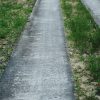
- Base layer: Landscape fabric under gravel can slow weeds, but it should be installed smooth and pinned so it does not bunch up later.
- Edging: Steel, concrete, or paver edging keeps rock from spilling into lawns and walkways.
- Color: Warm-toned stone pairs nicely with tan or cream homes, while gray or black rock works with modern or cool-colored exteriors.
Having stone and gravel ready when you are ready to work makes project days go smoother. That is why we keep a variety of decorative stone and gravel materials in stock for both contractors and DIYers who want clean, modern beds without the constant mulch cycle.
Pavers as Ground Cover for Walkable, Low-Care Spaces
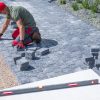
Pavers are not only for big patios. They also make excellent garden ground cover in spots where turf is always struggling or turning muddy. Paths, sitting areas, and the spaces between planting beds can all benefit from a solid, good-looking surface.
Some popular design ideas include:
- Large pavers with joints filled with decorative gravel
- Stepping stones set into compacted gravel instead of grass
- Paver grids with small gaps filled by hardy ground cover plants like creeping thyme
These setups shine in spring and summer because they give you:
- Mud-free walkways after April showers
- Stable surfaces for chairs, planters, and grills
- Safer, cleaner access around raised beds or veggie gardens
When planning paver ground cover, it helps to:
- Trace your traffic patterns so paths follow how you really move
- Notice slope so water flows away from your house and does not pool
- Match paver color and texture to your home, trim, or existing hardscape
At our yard, we stock job-ready pavers along with base and joint materials, so both small DIY projects and larger hardscape installs can move forward without delays once the design is set.
Living Ground Covers That Outperform Lawn
Not every ground cover has to be rock or concrete. Low-growing plants can create lush, soft areas that need less care than a typical lawn, especially near borders, around trees, or between stepping stones.
Good options for spring planting that often fill in by summer include:
- Creeping thyme, great between pavers in sunny spots
- Sedum varieties for hot, dry areas
- Clover mixes that stay low and green
- Shade-friendly plants for under shrubs or along side yards
Compared with traditional turf, many living ground covers ask for:
- Little to no mowing
- Lower water once roots are established
- Strong weed suppression as they knit together
- Seasonal flowers or foliage color that draws pollinators
These plants pair nicely with harder materials. You can tuck them:
- Between pavers or steppers for a soft, green joint
- Along the edges of gravel paths to blur hard lines
- At the base of retaining walls or borders to hide gaps and cracks
By mixing living ground cover with stone and pavers, you get both comfort underfoot and the structure needed to keep your yard neat.
Plan Your Spring Ground Cover Upgrade with Confidence
Early spring is the perfect time to walk your yard and see where garden ground cover could be doing more work for you. Look for tired mulch beds, thin or bare patches of turf, and areas that stay damp or dusty. Those spots are great candidates for stone, gravel, pavers, or low-growing plants.
A simple plan can keep the project from feeling overwhelming:
- Pick one or two target areas instead of the whole yard
- Decide if each spot should be more walkable, more decorative, or both
- Choose between stone, gravel, pavers, plant-based cover, or a blend
- Measure square footage so you can get the right amount of material
- Set a realistic weekend or multi-weekend timeline
Here at Mr. Pavers, we focus on supplying job-ready pavers, stone, gravel, turf, and related materials for both contractors and DIYers. Our goal is to help you match colors and textures, choose the right product for each area, and get what you need in one stop so your project can move smoothly from idea to finished space.
Updating old mulch or struggling turf with better ground cover this spring can transform your yard into a more durable, attractive space that stays looking sharp through long, busy months outdoors. With a little planning and the right materials, your garden ground cover can do more than just cover soil; it can pull your whole outdoor space together.
Get Started With Your Project Today
Transform your outdoor space with expertly designed garden ground cover that looks beautiful and works hard for you season after season. At Mr. Pavers, we listen to your goals, recommend the right materials, and install everything with careful attention to detail. If you are ready to upgrade your garden, reach out and let us help you plan the ideal solution. Have questions or want to schedule a consultation now, simply contact us.