Choosing Garden Path Materials That Survive Heavy Foot Traffic

Build Garden Paths That Stay Beautiful for Years
Strong garden paths are not just about looks. They decide how clean, safe, and easy your yard feels every single day. When a path turns muddy, rutted, or starts crumbling after one busy season, it is frustrating and hard to ignore.
The main reason that happens is usually the material choice. The right garden path materials can carry heavy steps from family, pets, and guests without falling apart. In this article, we will compare gravel, stone, concrete pavers, turf-style options, and a few newer systems so you can see what really holds up.
Since it is spring, this is a smart time to plan and install. Get paths in place now and you will be ready for summer cookouts, kids running around, and fall yard work. We will also share simple design and installation tips, plus how a local supplier can help you choose, order, and install products that are built for real-life use.
Know How Much Traffic Your Garden Path Gets
Before picking any material, it helps to be honest about how your yard is used. A small path to the hose is not the same as the main walk from the driveway to the back door.
We like to think of paths in three groups:
- Light use: side strips to hose bibs, compost bins, or small beds
- Moderate use: routes to sheds, play areas, or seating zones
- Heavy use: main walkways between doors, patios, driveways, and gates
Watch how people already move through your yard. Those natural routes are called desire lines, and they show where your garden path materials need to be strongest. Heavy paths often carry wheelbarrows, trash cans, strollers, or carts, not just feet.
Think about who is using the path too. Kids may run and jump, older adults may need very stable footing, and outdoor hosts may see crowds of guests at once. All of that affects:
- How smooth the surface should be
- How much traction you need when the path is damp
- How wide the path should be so people can pass each other
Climate and site conditions matter a lot in a warm area. Long sunny days can dry out soil and loosen edges. Sudden heavy rains can create puddles and washouts. Slopes can push loose material downhill and create ruts. All of this can wear on weak paths fast.
Before you visit a supplier, it helps to take:
- A few photos of the areas
- Rough measurements of length and width
- Notes on slopes, tree roots, or wet spots
That way you can get clearer advice and better quantity estimates.
Comparing Top Garden Path Materials for Heavy Use
For high-traffic routes, we usually focus on four main categories of garden path materials:
- Crushed rock and gravel blends
- Natural stone, like flagstone or large stepping stones
- Interlocking concrete pavers
- Structural base grids paired with turf or decorative stone
Durability starts from the bottom up. A strong, compacted base layer often matters more than the surface itself. Crushed rock and gravel can do well when they are contained, compacted, and sometimes mixed with stabilizers. Natural stone and pavers handle constant footsteps and wheeled traffic when they sit on a well-built base.
Comfort and safety underfoot are just as important. Wet gravel can shift, while flat pavers give very steady footing. Rough stone may be harder on bare feet, but some people love the rustic look. Think about:
- Traction when damp
- How flat or uneven you want the surface
- Whether you need it friendly for bare feet or mobility aids
Each material also brings a different style. Gravel has a relaxed, rustic feel. Flagstone gives a classic, natural look. Concrete pavers can look clean and modern or warm and traditional, depending on the shape and color. Turf-style grids can blend into planting beds for a softer look that still carries weight.
Maintenance needs vary:
- Gravel paths may need raking and occasional top-offs
- Pavers usually need joint sand refreshed from time to time
- All systems should be checked for proper edging and drainage
When you understand how each surface behaves, it is easier to match the right material to the way your yard is used.
Gravel, Stone, and Pavers That Handle Real-Life Wear
Crushed gravel and decomposed granite are popular choices for garden path materials because they are flexible and drain well. For heavier traffic, the key is:
- Using the right size blend, often small, angular rock that locks together
- Compacting it in layers
- Adding a stabilizer product if needed
- Using solid edging so the material stays in place
This helps prevent deep ruts and loose spots where wheels or heels can sink.
Natural stone, such as flagstone or large stepping stones, brings a timeless look. For daily routes, it is better to use:
- Thicker, more uniform stones
- A stable sub-base of compacted rock
- Tight, well-filled joints with sand, small gravel, or similar material
Thin or oddly shaped stones can rock or tip, which is not great for older adults or kids running through the yard.
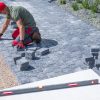
Interlocking concrete pavers are one of the strongest options for heavy use. They are made to:
- Carry regular foot and light wheel traffic well
- Resist cracking because the joints let each unit move a little
- Be repaired more easily, since single pavers can be lifted and replaced
They also bend nicely around curves and can handle gentle slopes when they sit on a proper base with good edge restraints.
You can also combine materials to get the best of each. For example, you might use:
- Paver landing pads at doors, gates, and hose areas
- Compacted gravel paths between garden beds
- Stone accents at seating nooks
Quality materials from a reliable supplier make a big difference. For us at Mr. Pavers, that means recommending specific gravel blends, stone types, and paver lines that are proven to hold up in busy yards.
Design and Installation Tips for Long-Lasting Paths
The secret to long-lasting paths is almost always the base. Good installation usually includes:
- Excavating to the proper depth
- Placing and compacting sub-base aggregates in layers
- Planning drainage so water does not sit under the path
For heavy-use walkways, width and layout matter too. It is usually smart to:
- Make main paths wide enough for two people to walk side by side
- Use soft curves instead of sharp turns where people cut corners
- Avoid level changes that cause trips or loose, rocking stones
Edging and borders hold everything together. Strong edging:
- Keeps gravel and sand from spreading
- Helps pavers stay locked in place
- Gives your path a clean, finished look
Spring is a good time for this work. You can plan around regular rain, allow the base to settle, and have everything ready before peak summer use. Ordering materials early also helps keep the project moving smoothly.
Some homeowners are comfortable tackling parts of the work, but many paths, especially high-traffic routes, benefit from professional support. At Mr. Pavers, we work with both DIY homeowners and contractors, so we understand what each group needs to get solid results.
Turn Your High-Traffic Walkway Into a Long-Term Asset
Strong garden path materials can turn worn, messy routes into reliable walkways that serve your yard for years. When you match materials to actual traffic levels, sun and rain exposure, and your yard layout, you avoid constant patching and keep your outdoor space looking cared for.
Walk your yard and notice where people really walk, where the ground turns to dust or mud, and which sections handle the most action. Those are the spots that deserve upgrades with gravel blends, stone, or pavers meant for heavy use. Here at Mr. Pavers, we are ready to help you compare options in person, figure out how much material you need, and get everything delivered so your paths are ready for the busy seasons ahead.
Get Started With Your Project Today
Transform your outdoor space with the right foundation by choosing high quality garden path materials tailored to your design and budget. At Mr. Pavers, we help you compare options, plan your layout, and select products that will last for years. If you are not sure what you need or want guidance on your next step, simply contact us and we will walk you through your project from idea to installation.