How to Level a Gravel Walkway: Easy Steps for a Smooth, Beautiful, and Long-Lasting Path
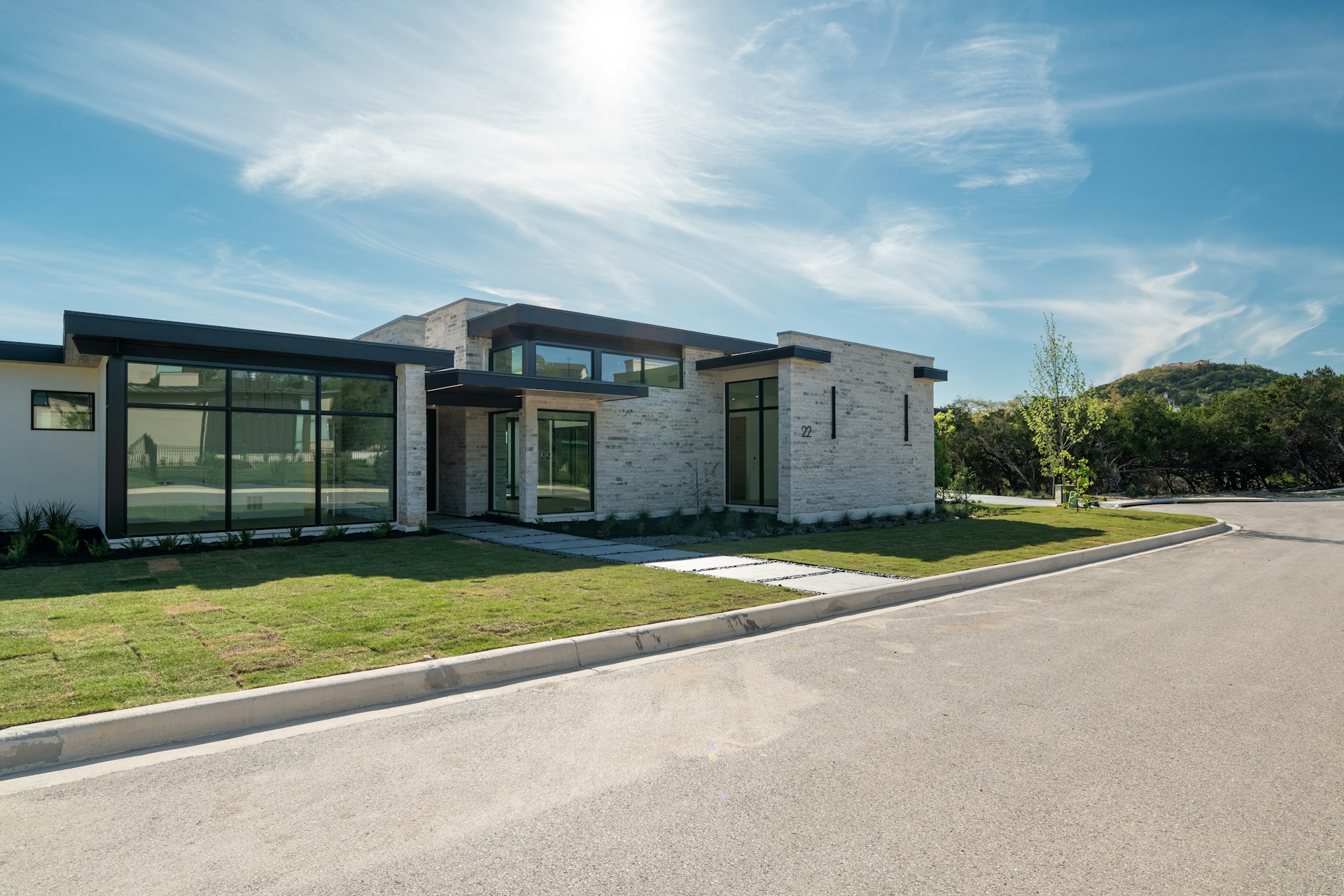
A beautiful gravel walkway can completely transform your outdoor space. Whether you want to create an attractive garden path, improve access to your backyard, or connect different areas of your landscape, a properly leveled walkway makes a significant difference. However, gravel surfaces can become uneven over time because of foot traffic, rainfall, soil movement, and poor installation. Fortunately, learning how to level a gravel walkway can help you restore its appearance, improve walking comfort, and prevent future maintenance problems.
For homeowners in Jurupa Valley, California, maintaining an attractive outdoor landscape is an important part of creating a welcoming property. Therefore, understanding the right leveling techniques, choosing suitable gravel, and preparing a stable base can help you achieve better results.
At Mr. Pavers Garden & Supply, we understand the importance of quality landscaping materials for successful outdoor projects. Whether you are improving an existing pathway or creating a completely new walkway, selecting the right materials is essential. Moreover, with proper preparation and regular maintenance, a gravel walkway can remain attractive and functional for years.
In this comprehensive guide, we will explain how to level a gravel walkway step by step. Additionally, you will discover common mistakes to avoid, useful maintenance tips, and how to choose suitable landscaping materials for your project.
Why Is It Important to Keep a Gravel Walkway Level?
Before starting the leveling process, it is important to understand why a smooth gravel surface matters.
First, an uneven walkway can make walking uncomfortable. For example, loose stones, low spots, and raised areas can create tripping hazards. Consequently, maintaining an even surface improves everyday accessibility.
Furthermore, an improperly leveled pathway can develop drainage problems. When certain areas become lower than others, rainwater may collect in those depressions. Over time, standing water can weaken the underlying soil and cause additional gravel displacement.
Additionally, a smooth walkway creates a cleaner and more attractive appearance. Whether your pathway runs through a garden or connects your driveway to your front entrance, a properly maintained surface improves the overall landscape.
Here are some important benefits of leveling your gravel walkway:
- Improved walking comfort: A smoother surface makes everyday movement easier.
- Better drainage: Proper grading helps water move away instead of collecting in low spots.
- Enhanced appearance: An even gravel surface creates a cleaner, more professional look.
- Reduced maintenance: Correcting uneven areas can help prevent recurring problems.
- Improved stability: Properly compacted materials create a more dependable walking surface.
- Longer-lasting results: Addressing underlying problems helps reduce repeated repairs.
Therefore, leveling your gravel walkway is not simply a cosmetic improvement. Instead, it is an important part of maintaining a functional outdoor space.
What Causes a Gravel Walkway to Become Uneven?
Understanding the cause of an uneven walkway is the first step toward fixing it properly. Otherwise, you may level the surface today only to experience the same problem again.
Several factors can contribute to an uneven gravel pathway.
Heavy Foot Traffic
First, frequent walking can gradually move loose gravel away from certain areas. As a result, some sections become thinner while others develop small piles of stones.
Rainwater and Poor Drainage
Additionally, rainfall can wash gravel away, especially when the pathway has inadequate grading. In areas where water flows repeatedly, erosion can create noticeable depressions.
Weak or Improperly Prepared Base
Another common problem is insufficient base preparation. If the soil underneath the gravel is soft, unstable, or poorly compacted, the surface may settle unevenly.
Incorrect Gravel Selection
Furthermore, some gravel types move more easily than others. Rounded pea gravel, for instance, does not lock together as effectively as angular crushed aggregate.
Root Growth and Soil Movement
Finally, nearby tree roots, changing soil moisture, and natural ground movement can gradually affect pathway stability.
Consequently, identifying the underlying issue before leveling helps you choose the correct repair method.
Tools and Materials Needed to Level a Gravel Walkway
Before beginning, gather the necessary tools and supplies. Having everything ready makes the project easier and helps you work more efficiently.
Here is a useful checklist:
| Tools and Materials | Main Purpose |
| Garden rake | Spreading and leveling loose gravel |
| Flat shovel | Removing and redistributing material |
| Wheelbarrow | Moving additional gravel |
| Hand tamper | Compacting smaller areas |
| Plate compactor | Compacting suitable aggregate surfaces |
| Measuring tape | Checking pathway dimensions |
| Landscape edging | Keeping gravel within the pathway |
| Level or straightedge | Checking surface consistency |
| Additional gravel | Filling low spots |
| Landscape fabric, if appropriate | Helping manage weed growth beneath the pathway |
Moreover, wearing gloves, protective footwear, and eye protection is recommended when handling aggregate and operating equipment.
How to Level a Gravel Walkway Step by Step
Now that you understand the causes of uneven gravel and have gathered the necessary tools, it is time to begin.
The following steps explain how to level a gravel walkway effectively.
Step 1: Inspect the Entire Walkway
First, walk along the entire pathway and examine its condition.
Look for low areas, raised sections, loose gravel, visible erosion, and places where water collects. Additionally, check whether the pathway edges have shifted or whether nearby soil has started moving into the gravel.
You should also identify whether the problem affects only the surface or the underlying base.
For example, if a small section has a few scattered stones, a simple surface adjustment may be sufficient. However, if an area repeatedly sinks, you may need to remove the gravel and repair the foundation.
Therefore, a careful inspection helps prevent unnecessary work.
Step 2: Remove Debris and Unwanted Materials
Next, clear the walkway before attempting to level it.
Remove fallen leaves, branches, weeds, dirt, and other debris. Furthermore, pull out unwanted vegetation growing through the gravel.
If the pathway contains large loose stones that are creating an uncomfortable walking surface, remove or redistribute them where appropriate.
Afterward, use a rake to expose the uneven sections more clearly.
This preparation is important because debris can interfere with accurate leveling and prevent proper compaction.
Step 3: Identify and Correct Low Spots
Once the walkway is clean, focus on the low areas.
Use a shovel or rake to redistribute gravel from higher sections into nearby depressions when enough suitable material is available.
However, if the low areas are particularly deep, simply moving surface gravel may not solve the problem.
In that situation, remove the loose gravel from the affected section and inspect the underlying base. If the base has settled, add suitable aggregate in manageable layers and compact it properly.
Additionally, investigate whether water erosion or poor drainage caused the depression. Otherwise, the same problem may return after the next rainfall.
Step 4: Check the Base Before Adding More Gravel
A stable foundation is essential for a long-lasting gravel walkway.
If the existing base is firm and reasonably level, you may only need to adjust the surface layer.
On the other hand, if the base contains soft soil, deep depressions, or loose material, you should correct those problems before adding fresh gravel.
For many residential pathways, a compacted crushed aggregate base provides better support than placing decorative gravel directly over loose soil.
Furthermore, the required base depth depends on soil conditions, pathway usage, and material selection.
Therefore, do not assume that adding more gravel will fix every uneven surface.
Step 5: Add Fresh Gravel Where Necessary
After correcting the base, add suitable gravel to areas that need additional material.
Spread it evenly using a shovel and garden rake. Additionally, avoid creating thick piles in one location because they can make the surface uneven again.
For a natural-looking pathway, decomposed granite can be an excellent option because it can compact into a relatively firm surface.
Alternatively, angular crushed gravel may provide suitable interlocking characteristics when correctly graded.
However, if your walkway already uses decorative pea gravel, maintain its intended loose finish rather than attempting to compact it like crushed aggregate.
You can explore different gravel, decomposed granite, and landscaping materials at Mr. Pavers before choosing the appropriate material for your project.
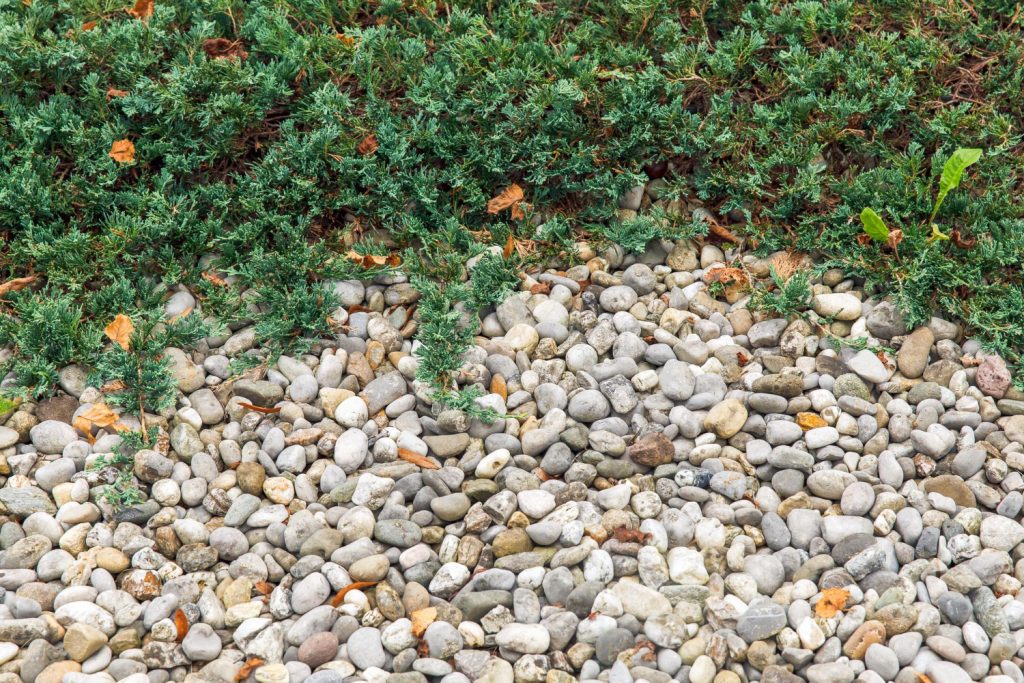
Step 6: Rake the Gravel Into an Even Layer
Now comes the most important part of the surface-leveling process.
Use a garden rake to distribute the gravel evenly across the walkway. Work gradually from one end to the other, paying particular attention to low areas and raised sections.
Additionally, use a straightedge or level to check whether the surface is reasonably consistent.
Remember that a gravel pathway does not necessarily need to be perfectly flat. In fact, a slight planned slope or crown can help water drain away.
Therefore, aim for a smooth, consistent walking surface while maintaining suitable drainage.
Step 7: Compact the Appropriate Gravel
After spreading the gravel, compact it if the selected material is suitable for compaction.
For decomposed granite and properly graded angular aggregate, a hand tamper or plate compactor can help create a firmer surface.
However, compact the material in manageable layers rather than attempting to compress a thick pile all at once.
Additionally, follow the manufacturer’s recommendations regarding moisture and compaction.
Avoid aggressively compacting loose decorative materials such as pea gravel because their rounded shape is intended to remain relatively loose.
Consequently, choosing the correct technique for your material is essential.
Step 8: Check the Drainage and Walkway Edges
Once the surface has been leveled, inspect the pathway again.
Check whether water can move away from the walking area without creating erosion. Furthermore, make sure the gravel is not spilling into surrounding garden beds or lawns.
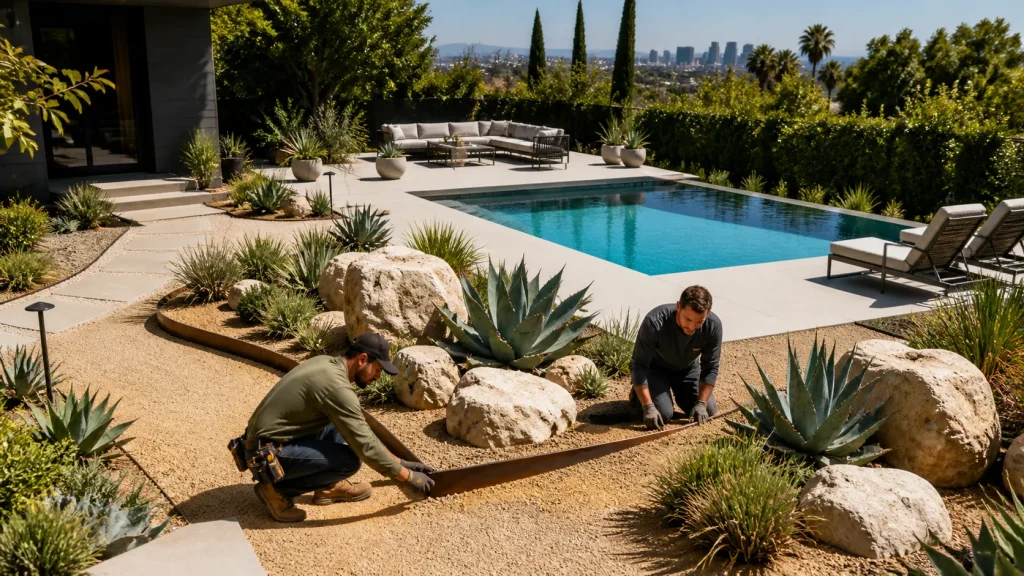
If necessary, install or repair edging to contain the material.
Suitable edging options include:
- Metal landscape edging.
- Concrete borders.
- Brick edging.
- Natural stone borders.
- Durable plastic landscape edging.
In addition, check that the finished pathway has a comfortable walking width and no unexpected raised sections.
Step 9: Perform a Final Inspection
Finally, walk along the entire pathway and examine the finished surface.
Look for remaining depressions, loose piles, unstable edges, and uneven transitions.
If you notice small problems, correct them immediately. Moreover, check the pathway again after the next rainfall to confirm that water is draining properly.
As a result, you can address potential problems before they become expensive repairs.
Which Gravel Is Best for a Smooth and Level Walkway?
Choosing the correct material is just as important as following the leveling process.
Different gravel types have different characteristics. Therefore, your selection should depend on whether you want a firm walking surface, a decorative appearance, or a combination of both.
Here are some popular options:
| Gravel Type | Main Characteristics | Best Use |
| Decomposed Granite | Fine texture and good compaction potential | Natural garden pathways |
| Crushed Gravel | Angular particles that interlock | Frequently used walkways |
| Pea Gravel | Smooth, rounded, loose stones | Decorative pathways |
| Decorative Gravel | Different colors and textures | Landscape design |
| Crushed Aggregate Base | Provides underlying structural support | Pathway foundation |
Decomposed Granite: This is a popular choice for homeowners who want a natural-looking walkway. When properly installed and compacted, it creates a relatively firm surface.
Crushed Gravel: Because its particles have angular edges, crushed gravel can interlock and provide good stability when appropriately graded.
Pea Gravel: This material is attractive and suitable for decorative applications. Nevertheless, it can shift underfoot, so it may require more frequent maintenance.
Decorative Gravel: If appearance is your priority, decorative gravel offers different colors and textures. However, its performance depends on the specific material.
Ultimately, the right choice depends on your pathway’s purpose, soil conditions, and desired appearance.
How to Prevent Your Gravel Walkway From Becoming Uneven Again
Leveling your pathway is important. Nevertheless, preventing future problems is even better.
Fortunately, a few practical maintenance habits can help preserve your walkway.
Maintain Proper Drainage
First, make sure water does not continuously flow across the pathway. Correct grading and suitable drainage solutions can reduce erosion.
Check the Surface Regularly
Additionally, inspect the walkway periodically for small depressions and loose gravel. Addressing minor issues early can prevent larger repairs.
Maintain the Edging
Furthermore, secure edging helps prevent gravel from spreading into nearby landscape areas.
Replenish Gravel When Necessary
Over time, some material may become displaced or lost. Therefore, adding a suitable amount of replacement gravel can help restore the original surface.
Control Weeds
Weeds can disturb the appearance and maintenance of gravel pathways. Consequently, remove unwanted vegetation before it becomes established.
Avoid Excessive Water Flow
Finally, check nearby sprinklers and irrigation systems. Water directed continuously toward the pathway can contribute to erosion and surface movement.
By following these simple practices, you can maintain a more attractive and dependable walkway.
Common Mistakes to Avoid When Leveling a Gravel Walkway
Even a relatively simple landscaping project can produce disappointing results when important details are overlooked.
Here are some mistakes homeowners should avoid.
Adding Gravel Without Fixing the Base
This is one of the most common mistakes. Although additional gravel may temporarily hide low spots, it cannot correct a weak foundation.
Ignoring Drainage Problems
Similarly, failing to correct water flow can cause repeated erosion. Therefore, investigate drainage before completing repairs.
Using the Wrong Gravel Size
Oversized gravel can create an uncomfortable walking surface. Conversely, excessively fine materials may become dusty or wash away more easily.
Skipping Compaction When Required
Compactable materials generally need appropriate compaction to create a stable surface. However, remember that not every decorative gravel type should be compacted.
Forgetting About Edging
Without suitable edging, gravel can spread into surrounding areas and make the walkway appear untidy.
Creating a Completely Flat Surface
Finally, trying to create a perfectly flat pathway without considering drainage can encourage water accumulation. Instead, maintain an appropriate slope based on site conditions.
Why Choose Mr. Pavers for Your Gravel Walkway Project?
Choosing quality landscaping supplies can make a significant difference in the success of your outdoor improvement project.
At Mr. Pavers Garden & Supply, homeowners, contractors, and landscaping professionals can explore a wide selection of materials for residential and commercial applications.
The company has been serving Southern California customers since 1993. Moreover, its product selection includes gravel, decomposed granite, natural stone, pavers, mulch, and other landscaping supplies.
Whether you are repairing an existing walkway or planning a new outdoor installation, having access to suitable materials makes the process easier.
Here are some reasons to consider Mr. Pavers:
- Over 30 years of experience: Serving homeowners and contractors since 1993.
- Wide product selection: Materials for landscaping and hardscaping projects.
- DIY-friendly assistance: Guidance with product selection and material quantities.
- Bulk and smaller quantities: Options for different project requirements.
- Convenient local supply yard: Serving customers in Jurupa Valley and surrounding communities.
Furthermore, the team understands that every project has different requirements. Therefore, customers can discuss their plans and explore suitable materials before making a purchase.
Learn more about the company’s history and services on the Mr. Pavers Garden & Supply About Us page.
Where to Find Gravel and Pathway Materials for Your Next Project
If you are ready to repair or upgrade your gravel walkway, finding the right materials is an important next step.
For example, you may need decomposed granite for the surface, crushed aggregate for the base, landscape edging to contain the gravel, or additional decorative stone to improve the surrounding landscape.
Fortunately, Mr. Pavers offers a variety of landscaping and hardscaping products to support different outdoor projects.
Visit the Mr. Pavers online product shop to explore available materials.
Additionally, you can review the company’s frequently asked questions about landscaping products and ordering if you need more information before purchasing.
Frequently Asked Questions About How to Level a Gravel Walkway
1. How do you level an existing gravel walkway?
First, remove leaves, weeds, and other debris. Next, identify low and raised areas, redistribute the gravel using a rake, and repair any damaged base sections. Finally, add suitable gravel where necessary and compact materials that are designed to be compacted.
2. Can I level a gravel walkway without removing all the gravel?
Yes. If the underlying base is stable and the unevenness is minor, you can often level the existing gravel using a garden rake and shovel. However, deeper depressions or recurring settlement may require removing some gravel to repair the foundation.
3. What is the best tool for leveling a gravel walkway?
A garden rake is useful for spreading and redistributing gravel. Additionally, a flat shovel helps move material into low areas, while a hand tamper or plate compactor can compact suitable aggregate materials.
4. Should I compact gravel after leveling a walkway?
It depends on the gravel type. Decomposed granite and suitable angular crushed aggregate generally benefit from proper compaction. However, rounded pea gravel and certain decorative stones are intended to remain loose.
5. How do I fix low spots in a gravel walkway?
Start by removing loose gravel from the affected area. Then inspect the base and correct any settlement or erosion. Afterward, add suitable aggregate in layers, compact where appropriate, and replace the surface gravel.
6. Why does my gravel walkway keep becoming uneven?
Common causes include frequent foot traffic, poor drainage, weak base preparation, unsuitable gravel selection, and natural soil movement. Therefore, identifying the underlying cause is essential for preventing repeated problems.
7. Is decomposed granite good for leveling a garden walkway?
Yes. Decomposed granite is a popular material for natural garden pathways because it can compact into a relatively firm surface. Nevertheless, proper base preparation, drainage, and installation are important.
8. How often should I level my gravel walkway?
There is no fixed schedule because maintenance depends on foot traffic, weather, drainage, and material type. However, inspecting the pathway several times throughout the year and after heavy rainfall can help you identify problems early.
9. How can I keep gravel from moving after leveling?
Use appropriate edging, prepare a stable base, and choose gravel suited to the intended pathway. Additionally, compact suitable materials properly. For certain loose decorative surfaces, an appropriate pathway stabilizer may also help.
10. Can I use pea gravel for a frequently used walkway?
Yes, but it may not be the most practical option. Since pea gravel has rounded particles, it tends to move underfoot. Consequently, angular crushed gravel or compacted decomposed granite may be preferable for frequently used pathways.
11. Does a gravel walkway need a slope for drainage?
Generally, yes. A slight slope or suitable crowned profile helps direct water away from the walking surface. However, the correct grade depends on the site, surrounding landscape, and drainage requirements.
12. Where can I purchase gravel and decomposed granite for my walkway?
Mr. Pavers Garden & Supply in Jurupa Valley offers landscaping materials, including gravel and decomposed granite options. Visit the online shop or contact the team to confirm current product availability and pricing.
Contact Mr. Pavers Today for Quality Gravel and Landscaping Supplies
Learning how to level a gravel walkway can help you improve your outdoor space, correct uneven surfaces, and maintain a more attractive landscape. However, successful results depend on more than simply spreading additional gravel.
First, you need to identify the cause of the unevenness. Next, prepare a stable base, select suitable materials, and use the correct leveling and compaction techniques. Finally, maintain proper drainage and inspect the pathway regularly.
At Mr. Pavers Garden & Supply, we are committed to helping homeowners, contractors, and DIY enthusiasts find the materials they need for successful landscaping projects.
With more than three decades of experience serving Southern California, our team can help you explore suitable materials for your next outdoor improvement.
Ready to improve your gravel walkway?
Visit our online shop to explore landscaping supplies, or check our customer FAQs for additional information.
You can also contact our team directly to discuss product availability, material quantities, and your project requirements.
Mr. Pavers Garden & Supply
- Address: 7176 Mission Blvd., Jurupa Valley, CA 92509
- Phone: (951) 332-0232
- Email: mrpaversgardensupply@gmail.com
- Website: https://mrpaversgs.com/
Take the next step toward a smoother, more attractive outdoor space with dependable landscaping materials from Mr. Pavers.
Contact Mr. Pavers today and get started on your gravel walkway improvement project.