The Role Of Mulch In Soil Health And Fertility
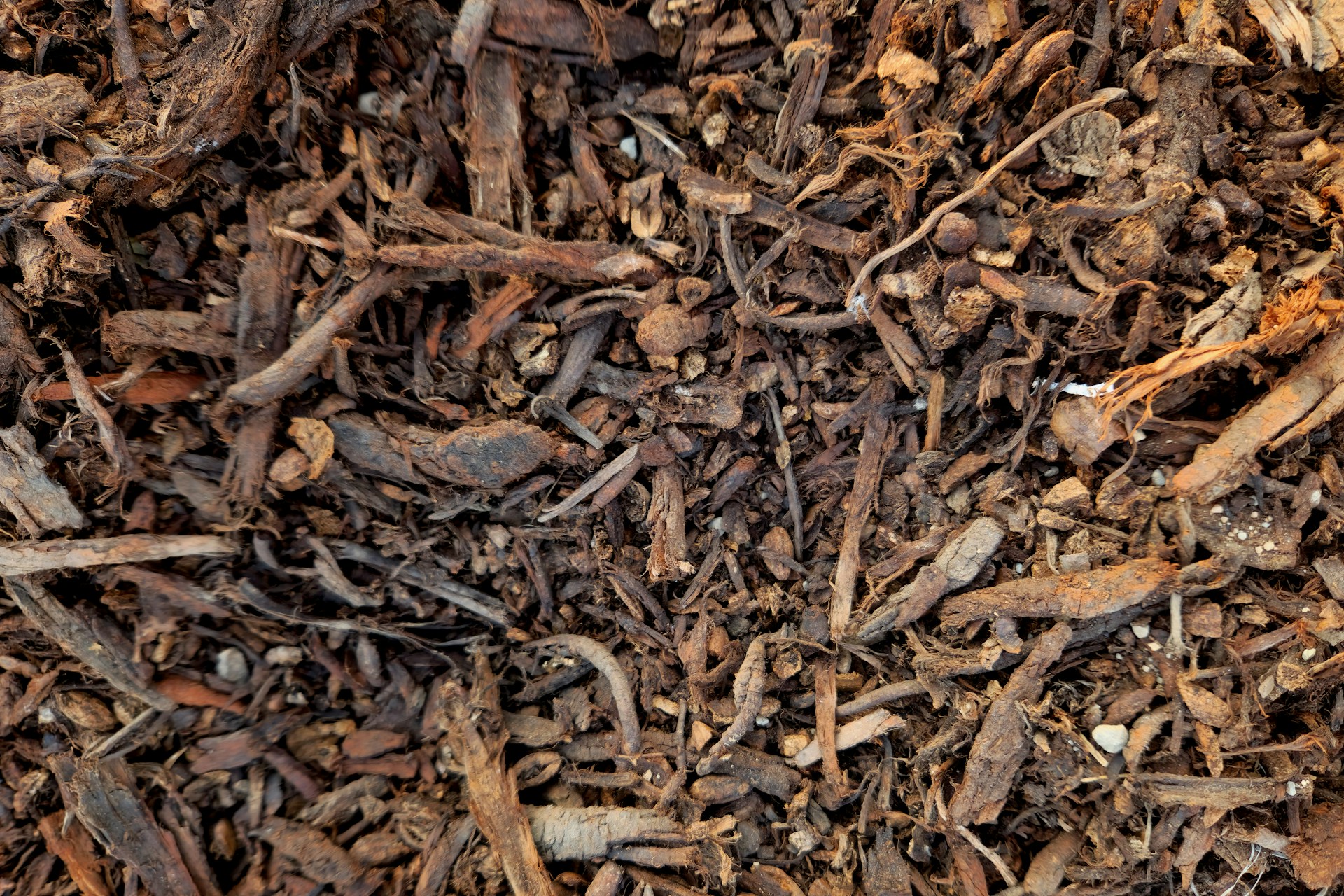
Healthy soil is the base for any strong garden. Whether you’re planting flowers, growing food, or laying the groundwork for a greener yard, soil that holds the right balance of nutrients and moisture makes everything easier. Without healthy soil, plants struggle, watering becomes a chore, and garden beds can begin to feel more like work than fun. Over time, soil can lose its strength, especially in areas with lots of foot traffic or fast-changing weather. That’s where mulch comes into play.
Mulch is one of the simplest ways to support soil health while keeping your garden looking clean and finished. It works as a natural buffer between the soil and the environment, helping gardens adapt and thrive. Whether it’s wood chips, bark, straw, pine needles, or even gravel, mulch lays a strong foundation for better growing conditions. Done right, it blends form and function, helping plants grow without adding hours of extra care. It’s a common part of many outdoor spaces, and for good reason. It gets things growing and keeps them that way.
Benefits Of Mulch In Soil Health
Mulch brings several quiet but powerful benefits to soil, many of which go unnoticed at first glance. When people think of mulch, they picture a neat, tidy garden bed. But the work mulch does under the surface is just as important.
Here are a few ways mulch helps with soil improvement:
1. Moisture Retention
Mulch acts like a cover, helping the soil underneath hold on to water longer after irrigation or rainfall. This is especially helpful during warmer months when water tends to evaporate quickly. Less water loss means you don’t need to water as often, and plant roots stay protected from drying out.
2. Temperature Control
Bare soil tends to change temperature fast, warming quickly in summer and cooling quickly at night. Mulch works like insulation. It keeps the ground underneath from heating up too fast or dropping too low overnight. In summer, this helps roots stay cool. In cooler months, it slows soil heat loss, so roots keep functioning longer.
3. Weed Reduction
Weeds don’t need much encouragement to move in. Mulch limits the sunlight that reaches weed seeds, keeping them from sprouting. It also physically blocks their path to the surface. With fewer weeds, your plants get more space, water, and nutrients, and you spend less time pulling unwanted plants.
Each of these roles comes together in a natural system that gives soil a better chance to recover and stay strong throughout the growing season. For example, in a backyard veggie patch, using mulch helped one homeowner reduce watering by half and kept unwelcome plants from taking over, allowing their tomatoes to grow stronger with less effort.
Mulch may seem like a minor detail, but it quietly supports so many parts of a healthy garden. It lasts long after it’s laid down, improving soil from the top layer down to the root zone.
Enhancing Soil Fertility With Mulch
Healthy soil isn’t just about water and structure. It’s also about nutrients. Mulch plays a part here too. Over time, especially with organic mulch, it breaks down and mixes with the soil underneath. This slow process creates richer, more fertile ground for plants to grow.
Here’s how mulch helps with fertility:
– Adds Organic Matter
When organic mulch like wood chips or leaf litter begins to break down, it adds natural material back into the soil. This improves how soil holds nutrients and water. It also makes the soil easier to dig and more comfortable for roots to spread through.
– Supports Nutrient Cycling
Soil microbes and insects feed on mulched materials, creating a cycle where nutrients are returned to the earth. These tiny helpers turn mulch into forms that plants can use, like nitrogen, potassium, and phosphorus.
– Improves Soil Structure
As mulch breaks apart over time, it helps create a loose, airy texture in the ground. This improves drainage and aeration, which are key to fighting compaction. With better airflow and less surface crust, plant roots grow deeper and stronger.
Using mulch regularly gives your garden soil what it needs to stay full of life. Rather than reaching right away for fertilizer, mulch gives your garden a steady boost while protecting it from heat, weeds, and water loss. It becomes part of the soil’s support system, making everything from planting to care more manageable year-round.
Types Of Mulch And Choosing The Right One
Selecting the right mulch for your garden is a bit like choosing toppings for your favorite dish. Each type offers its own benefit.
Organic mulches such as wood chips, straw, leaves, and pine needles are popular due to their natural make-up and long-term soil improvements. They decompose over time, enriching soil and supporting biodiversity in your garden. Wood chips are great for pathways and around shrubs. Straw works well in vegetable gardens, keeping delicate plants off the soil.
Inorganic mulches like gravel, stone, and black plastic also have a role. Gravel and stone are long-lasting and effective for decorative purposes or near heat-loving plants. They create a tidy look and can discourage pests but are more permanent and don’t improve soil fertility. Black plastic is less common but can warm the soil and block weeds when growing warm-season crops.
When choosing mulch, think about your garden’s needs:
– Purpose: Are you looking to reduce weeds or improve soil health?
– Aesthetic: What appearance fits your garden style?
– Plant Type: Does your choice suit the plants you’re growing?
– Climate: Will the mulch hold up in your weather conditions?
Select the best mulch to improve both how your garden works and how it looks, turning your outdoor space into something you’re proud of.
Applying Mulch Effectively
Once you’ve picked your mulch, applying it the right way gives you the most benefit. Start by getting the area ready. Remove weeds, old mulch, and any other debris. If needed, loosen the top layer of soil to help with water and nutrient flow.
Next, get the thickness right. For most organic mulches, aim for 2 to 4 inches. That’s enough to block weeds and keep moisture in, without making the soil too damp. For inorganic mulches like stone, 1 to 2 inches is usually enough.
Keep an eye on your mulch over time. It may shift around, compact, or break down. Use a rake every few weeks to even it out. For organic mulch, plan to top it off once or twice a year to keep the layer doing its job. At the end of each season, take a moment to check the mulch and decide if you need to refresh it.
Good mulch use is about timing and attention. When done with care, it supports both your plants and the soil beneath them.
Enjoying A Healthier Garden With Mulch
Mulch is a quiet hero in garden spaces. It holds things together and helps gardens thrive. A well-mulched garden doesn’t just look nicer. It works better, too. Every layer you spread brings you closer to soil that’s easier to dig, roots that grow deeper, and plants needing less effort.
With mulch in place, seasonal care becomes simpler. You deal with fewer weeds, spend less on water, and skip the rush for fertilizers. Garden beds stay neater, and the soil keeps building strength.
Think of mulching as one more good habit for your garden. Include it in your normal routine. Whether you’re starting fresh or giving an existing bed some help, mulch is a simple way to keep things growing.
Reliable supplies make all the difference. Start with quality products you can trust. With the right materials, your garden rewards your time with lasting health and beauty.
For projects that demand both beauty and durability, explore how our high-quality mason supplies can give your landscaping and garden beds the lasting support they need. Trust Mr. Pavers to provide the right materials and expert guidance to keep your outdoor space thriving year-round.