Best Gravel for Pathways in Jurupa Valley: Choose the Perfect Material for a Beautiful and Durable Walkway
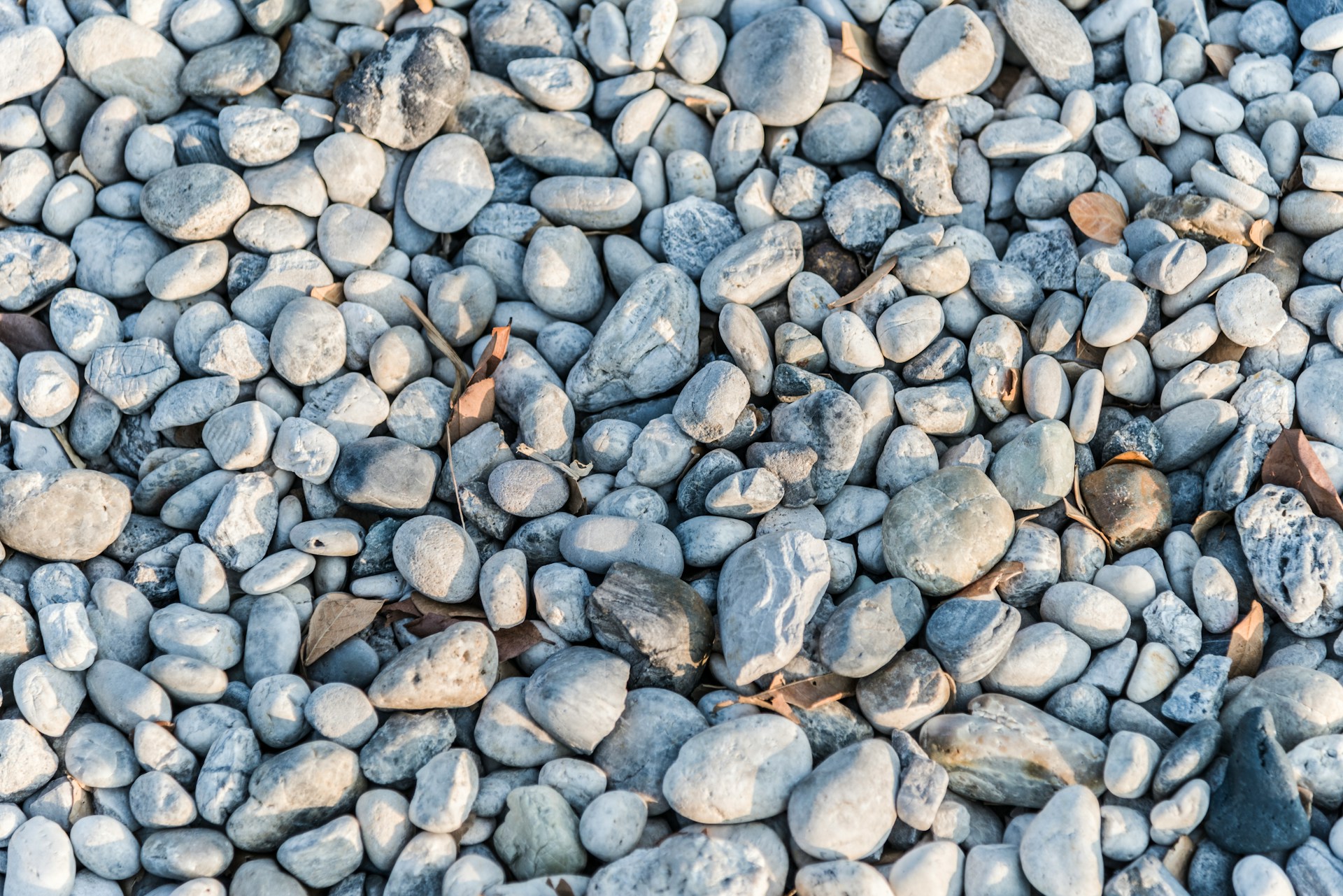
Creating a beautiful outdoor pathway is one of the smartest ways to improve your property’s appearance, functionality, and overall value. Whether you want to connect your garden, create a welcoming entrance, or build a comfortable walkway through your backyard, choosing the right gravel makes a significant difference. However, with so many gravel options available, finding the best gravel for pathways in Jurupa Valley can sometimes feel overwhelming. Fortunately, understanding the different materials, their benefits, and their ideal applications can make your decision much easier.
In Jurupa Valley, homeowners and property managers often look for outdoor materials that combine attractive appearance, reliable performance, and manageable maintenance. Therefore, gravel pathways have become a practical choice for many landscaping projects. Not only do they provide a natural appearance, but they can also support effective drainage and complement different outdoor designs.
Moreover, gravel is available in various colors, textures, and sizes. As a result, you can create anything from a simple garden walkway to an elegant pathway connecting different outdoor living areas.
At Mr. Pavers, we understand how important quality landscaping materials are for successful outdoor projects. We help homeowners, contractors, and DIY enthusiasts find dependable materials for their landscaping and hardscaping needs. Whether you are planning a small garden improvement or a larger property transformation, selecting the right gravel is an excellent place to start.
Why Choose Gravel for Your Pathway in Jurupa Valley?
Before selecting a specific gravel type, it is important to understand why gravel pathways are such a popular landscaping solution. Compared with many traditional walkway materials, gravel offers flexibility, attractive design possibilities, and practical advantages.
First, gravel creates a natural appearance that blends beautifully with gardens, trees, shrubs, and other landscape features. Furthermore, it can complement modern, rustic, Mediterranean, and traditional property styles.
Another important advantage is drainage. Unlike many solid surfaces, properly installed gravel pathways allow rainwater to move through the material and into the ground. Consequently, they can help reduce surface water accumulation when the pathway is designed with suitable grading and a properly prepared base.
Additionally, gravel pathways are relatively flexible when it comes to design. You can create straight walkways, curved garden paths, decorative borders, or connecting routes throughout your outdoor space.
Here are some important benefits:
- Attractive appearance: Gravel adds natural texture and character to outdoor spaces.
- Flexible design: Different colors and sizes make customized pathway designs possible.
- Drainage support: Suitable gravel installations allow water to pass through the surface.
- Budget flexibility: Several gravel options are available for different project budgets.
- Straightforward maintenance: Occasional raking, replenishment, and weed management help maintain the pathway.
- Landscape compatibility: Gravel works beautifully with plants, pavers, natural stone, and decorative landscaping.
Therefore, choosing the right gravel can improve both the appearance and functionality of your outdoor environment.
What Is the Best Gravel for Pathways in Jurupa Valley?
The best gravel depends on how you plan to use your pathway. For example, a frequently used walkway needs a more stable surface than a decorative garden path. Similarly, a pathway designed for a natural landscape may require a different appearance from one surrounding a contemporary home.
However, decomposed granite, crushed gravel, and pea gravel are among the most popular options for residential pathways.
Let’s explore these materials and understand what makes each one suitable for different landscaping projects.
1. Decomposed Granite: An Excellent Choice for Natural Pathways
Decomposed granite, commonly known as DG, is one of the most attractive and practical materials for garden pathways. It consists of naturally weathered granite particles that create a fine, earthy surface.
When properly installed and compacted, decomposed granite can form a relatively firm and comfortable walking surface. Consequently, it is particularly suitable for homeowners who want a natural-looking pathway that blends with the surrounding landscape.
Furthermore, decomposed granite is available in different natural shades, including tan, gold, brown, and reddish tones. Therefore, it is relatively easy to coordinate the material with outdoor furniture, garden plants, and exterior finishes.
Why choose decomposed granite?
- Creates a natural and elegant pathway.
- Compacts into a firmer surface than loose rounded gravel.
- Complements drought-tolerant landscaping.
- Offers attractive earthy color options.
- Can support a variety of residential garden designs.
However, proper installation is essential. Without sufficient preparation, decomposed granite can become dusty, shift, or wash away during heavy rainfall. Therefore, homeowners should consider suitable compaction, edging, grading, and stabilizing products when necessary.
2. Crushed Gravel: A Practical Option for Everyday Walkways
Crushed gravel is another excellent option for homeowners looking for a functional and durable pathway surface. Unlike naturally rounded stones, crushed gravel has angular edges that help individual pieces lock together.
As a result, appropriately graded crushed gravel can provide better stability than loose pea gravel. Moreover, it is available in several sizes, allowing you to select a material that matches your pathway’s intended use.
For frequently used garden paths, smaller angular aggregates are generally more comfortable than large, irregular stones. Nevertheless, the exact size should depend on the base preparation and desired finish.
Key benefits of crushed gravel include:
- Provides a practical walking surface.
- Angular particles offer better interlocking.
- Available in different sizes and colors.
- Works with various landscaping styles.
- Can be combined with decorative borders.
Additionally, crushed gravel can be an excellent choice for pathways connecting outdoor seating areas, gardens, and other frequently accessed parts of a property.
3. Pea Gravel: A Beautiful Choice for Decorative Garden Paths
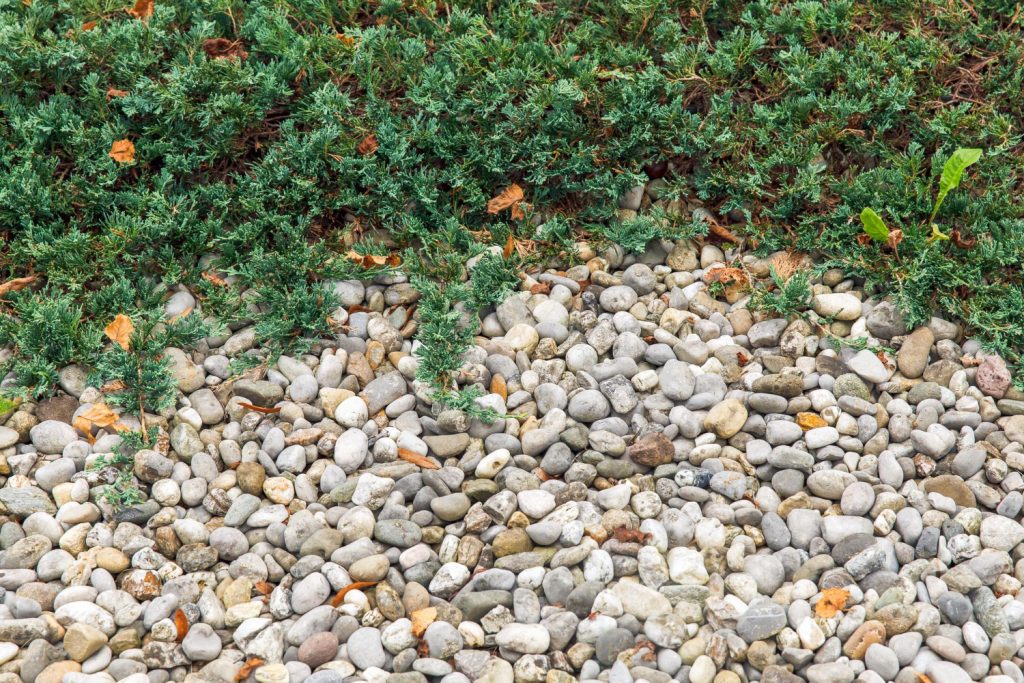
If appearance and comfort are your main priorities, pea gravel may be worth considering. This material consists of small, naturally rounded stones with smooth surfaces.
Because of its soft, rounded appearance, pea gravel creates a relaxed and welcoming atmosphere. Furthermore, it is available in different colors, making it suitable for decorative garden pathways and landscape accents.
However, there is an important consideration. Unlike angular crushed gravel, pea gravel does not compact into a firm surface. Therefore, it can move underfoot, especially when people walk across it frequently.
Benefits of pea gravel include:
- Smooth, rounded stone appearance.
- Attractive decorative texture.
- Different color options.
- Suitable for informal garden pathways.
- Complements planting beds and outdoor seating areas.
Nevertheless, proper edging is particularly important because rounded stones can spread beyond the intended pathway. Additionally, pea gravel may not be the best choice for steep paths, mobility equipment, or heavily used walkways.
4. Decorative Gravel: Add Personality to Your Outdoor Space
Sometimes, homeowners want more than a functional walkway. Instead, they want a pathway that becomes an attractive landscape feature.
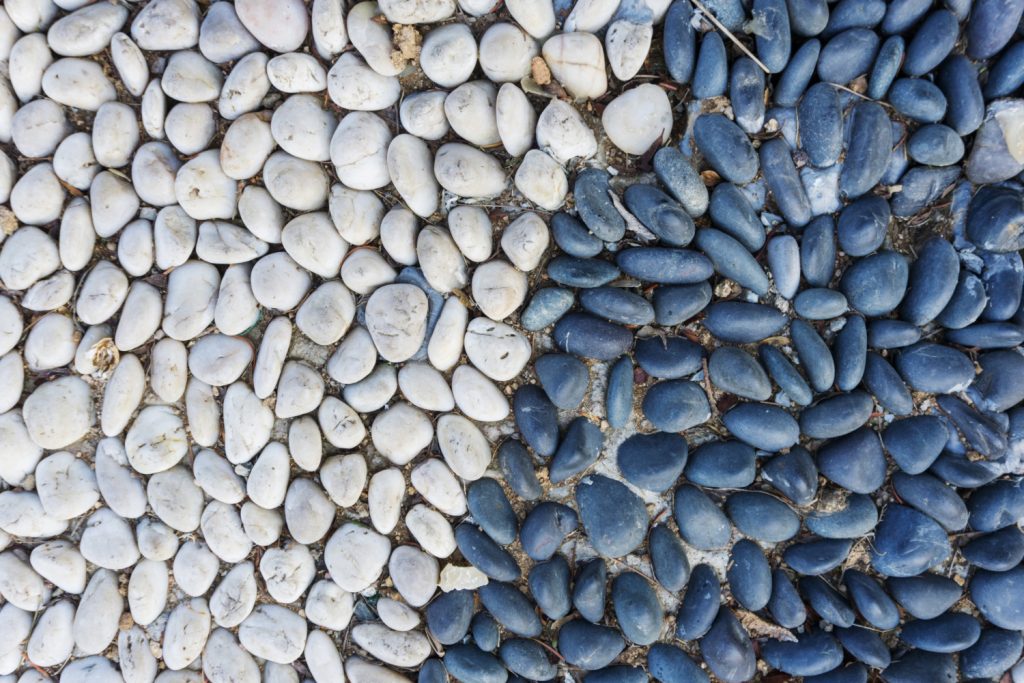
In that situation, decorative gravel offers plenty of creative possibilities. Depending on the available materials, you can choose different shades, textures, and stone sizes to create a distinctive outdoor appearance.
For example, light-colored gravel can create a clean, bright appearance around contemporary homes. On the other hand, darker decorative stones can provide contrast against lighter walls, green plants, and natural wood features.
Moreover, decorative gravel can be combined with stepping stones, concrete pavers, and natural stone borders. Consequently, you can create a pathway that looks professionally designed without relying entirely on a solid paved surface.
Explore the decorative gravel and landscaping materials available at Mr. Pavers to discover materials for your next outdoor project.
Gravel Pathway Comparison: Which Material Should You Choose?
Choosing between different gravel materials becomes easier when you compare their features side by side. Although every option has its advantages, the right selection depends on your property’s layout, pathway usage, and design preferences.
| Gravel Type | Appearance | Stability | Best Application |
| Decomposed Granite | Natural and earthy | Good when compacted | Garden and residential pathways |
| Crushed Gravel | Textured and natural | Good with suitable grading | Frequently used walkways |
| Pea Gravel | Smooth and decorative | Lower because it shifts | Decorative garden paths |
| Decorative Gravel | Various colors and textures | Depends on stone shape and size | Landscape accent pathways |
| Larger Crushed Stone | Bold and rugged | Depends on particle size | Utility and drainage areas |
Ultimately, decomposed granite is an excellent starting point for homeowners seeking a natural, relatively firm pathway. Meanwhile, crushed gravel is a practical alternative when additional particle interlocking is important.
However, pea gravel and decorative gravel can be better choices when visual appeal is more important than surface firmness.
Important Factors to Consider Before Buying Pathway Gravel
Selecting attractive gravel is only one part of a successful landscaping project. In addition, you need to consider several practical factors before purchasing materials.
1. Pathway Purpose and Daily Foot Traffic
First, consider how frequently people will use the pathway. For example, a walkway connecting your driveway to your front entrance may experience more traffic than a decorative path surrounding a flower garden.
Therefore, frequently used pathways generally benefit from compactable materials with suitable particle sizes. Conversely, decorative garden paths can accommodate looser materials when appropriate.
2. Gravel Size and Texture
Gravel size affects walking comfort, stability, and overall appearance.
Smaller angular aggregates generally create a more comfortable surface when properly graded and compacted. However, excessively fine materials can become dusty, while oversized stones may create an uncomfortable walking experience.
Consequently, choosing the correct size is just as important as selecting the right gravel type.
3. Drainage and Ground Conditions
Drainage is particularly important when planning an outdoor pathway. Although gravel can support water infiltration, poor installation can still cause puddles, erosion, and material displacement.
Therefore, evaluate the existing soil, ground slope, and expected water flow before installation.
Furthermore, preparing a stable base and establishing suitable drainage routes can significantly improve the pathway’s long-term performance.
4. Color and Landscape Design
Your pathway should complement the rest of your property. For instance, warm tan gravel can create a natural appearance around earthy exterior finishes. Similarly, gray or darker decorative stones can provide a modern contrast.
Additionally, consider how the gravel will look alongside plants, pavers, retaining walls, and outdoor furniture.
5. Maintenance Requirements
Different materials require different levels of maintenance. For example, pea gravel may need frequent raking because its rounded stones move easily.
Similarly, decomposed granite may require occasional replenishment and surface maintenance. Therefore, consider how much maintenance you are comfortable performing before making your final decision.
How to Build a Long-Lasting Gravel Pathway
Even the best gravel may perform poorly when the installation process is rushed. Fortunately, following a proper preparation process can help create a more attractive and reliable pathway.
Step 1: Plan the Pathway Layout
Begin by deciding where the pathway should go. Consider its width, length, curves, connections, and surrounding landscape features.
Additionally, identify underground utilities and existing drainage routes before excavation.
Step 2: Mark and Prepare the Area
Use stakes, string, or marking paint to outline the pathway. Next, remove grass, weeds, roots, and unwanted surface materials.
Afterward, excavate the area to the depth required for the selected gravel and base materials.
Step 3: Prepare a Stable Base
A properly prepared base is essential for pathway stability. Generally, a compacted crushed aggregate base is suitable for many gravel walkway projects.
However, the required depth depends on soil conditions, expected foot traffic, and the chosen surface material.
Step 4: Install Suitable Edging
Edging helps keep gravel within the designated pathway. For example, you can use metal edging, concrete borders, bricks, or pavers.
Furthermore, attractive edging creates a cleaner transition between the pathway and surrounding landscaping.
Step 5: Add and Compact the Gravel
Spread the selected gravel evenly across the prepared area. If you are installing decomposed granite or compactable crushed aggregate, use appropriate compaction techniques.
However, avoid compacting materials that are intended to remain loose and decorative, such as pea gravel.
Step 6: Check the Finished Surface
Finally, inspect the entire pathway. Make sure the surface is reasonably level, the edges are secure, and water can drain appropriately.
As a result, you will have a pathway that looks attractive and is better prepared for regular use.
Common Gravel Pathway Mistakes Homeowners Should Avoid
Although gravel pathways may appear simple to install, several mistakes can create unnecessary problems.
First, choosing gravel based only on appearance can lead to an unstable walking surface. Therefore, always consider the material’s shape, size, and compaction characteristics.
Second, skipping base preparation can cause uneven settling. Moreover, installing gravel without suitable edging may allow stones to spread into surrounding lawn areas.
Another common mistake is ignoring drainage. Even permeable materials can experience erosion when water flows across the pathway too quickly.
Finally, ordering an incorrect quantity can interrupt the project or leave you with unnecessary leftover materials.
To avoid these issues, plan your project carefully and consult knowledgeable material suppliers before purchasing.
How Much Gravel Do You Need for Your Pathway?
Calculating the correct gravel quantity can help you manage your project more efficiently. Fortunately, the basic calculation is straightforward.
Use the following formula:
Pathway Length × Pathway Width × Gravel Depth = Required Volume
For example, imagine you are creating a pathway that measures:
- Length: 30 feet
- Width: 3 feet
- Gravel depth: 3 inches (0.25 feet)
The calculation would be:
30 × 3 × 0.25 = 22.5 cubic feet.
Since one cubic yard contains 27 cubic feet, the project requires approximately 0.83 cubic yards of material for that layer.
However, this is only an example. Actual requirements may vary depending on compaction, material density, excavation depth, and installation conditions.
Therefore, it is always helpful to confirm your measurements and material requirements before placing an order.
Why Choose Mr. Pavers for Landscaping Materials in Jurupa Valley?
Finding the right materials is an important part of creating successful outdoor spaces. However, finding a dependable supplier can make the entire process easier.
Mr. Pavers Garden & Supply has been serving homeowners, contractors, and landscaping professionals in Jurupa Valley and surrounding Southern California communities since 1993.
With decades of experience, the company provides a wide selection of landscaping and construction materials for different residential and commercial projects.
Whether you need decomposed granite, decorative gravel, natural stone, pavers, mulch, or other outdoor supplies, Mr. Pavers offers material options to support your project.
Here are several reasons to consider Mr. Pavers:
- Decades of experience: Serving customers since 1993.
- Extensive material selection: Access to landscaping and hardscaping supplies.
- Helpful guidance: Assistance with selecting materials and estimating quantities.
- Options for different projects: Supporting both homeowners and professional contractors.
- Convenient local location: Serving customers from Jurupa Valley.
Furthermore, the team understands that every landscaping project has different requirements. Therefore, customers can discuss their plans and explore suitable materials before making purchasing decisions.
Learn more about the company’s background and commitment to quality through the Mr. Pavers Garden & Supply About Us page.
Explore Quality Gravel and Landscaping Materials at Mr. Pavers
Are you ready to upgrade your garden pathway or transform your outdoor space? Choosing suitable materials is the first step toward achieving a beautiful and functional landscape.
At Mr. Pavers, you can explore a variety of outdoor materials for residential landscaping, commercial projects, and DIY improvements.
Whether you prefer compactable decomposed granite, attractive decorative gravel, or other landscaping supplies, finding the right product can help bring your vision to life.
Visit the Mr. Pavers online shop to explore available products and material options.
Additionally, if you have questions about product availability, ordering, or material selection, the team can help you understand your options before purchasing.
Frequently Asked Questions About the Best Gravel for Pathways in Jurupa Valley
1. What is the best gravel for pathways in Jurupa Valley?
Decomposed granite is an excellent choice for many residential pathways because it creates a natural appearance and can compact into a relatively firm walking surface. However, crushed gravel is another practical option, especially for walkways that receive regular foot traffic. The best choice depends on your design preferences, ground conditions, and intended use.
2. Is decomposed granite better than pea gravel for walkways?
In many situations, yes. Decomposed granite can compact into a firmer and more stable surface, while pea gravel remains loose and moves underfoot. Therefore, decomposed granite is generally more suitable for frequently used garden pathways. Nevertheless, pea gravel can be attractive for decorative walkways.
3. Does gravel allow rainwater to drain through a pathway?
Yes, many gravel materials allow water to infiltrate through the surface. However, drainage performance depends on the gravel size, base preparation, soil conditions, and installation method. Proper grading is also important to prevent water from washing away the material.
4. How deep should gravel be for a garden pathway?
The required depth depends on the selected gravel, base material, and expected foot traffic. Many residential pathways use a compacted aggregate base beneath a separate surface layer. However, the exact dimensions should be determined according to site conditions and the material manufacturer’s recommendations.
5. Is pea gravel suitable for frequently used pathways?
Pea gravel can be used for garden pathways, but it is not always ideal for heavily used walkways. Because its stones are rounded, they move easily underfoot. Consequently, it may require more frequent raking and maintenance than compacted decomposed granite or suitable angular crushed gravel.
6. How can I prevent gravel from spreading outside my pathway?
Installing appropriate edging is one of the most effective solutions. Metal edging, concrete borders, and paver restraints can help keep gravel within the intended area. Additionally, regular maintenance and occasional replenishment can help maintain a clean pathway appearance.
7. Can I combine gravel with stepping stones?
Absolutely! Combining gravel with stepping stones creates an attractive and functional pathway. For example, large concrete or natural stone stepping slabs can be surrounded by decomposed granite or decorative gravel. As a result, you can achieve an interesting design while creating clearly defined walking areas.
8. Where can I buy gravel and landscaping materials in Jurupa Valley?
Mr. Pavers Garden & Supply provides a range of landscaping and construction materials in Jurupa Valley. Customers can explore available products online or contact the team for information about material options, availability, pricing, and ordering.
9. How do I calculate the amount of gravel needed for my pathway?
Multiply the pathway’s length by its width and the planned material depth to calculate the required volume in cubic feet. Then divide that number by 27 to convert the result into cubic yards. However, remember to account for compaction and possible material loss when estimating your final order.
10. Does Mr. Pavers help customers select landscaping materials?
Yes. Mr. Pavers assists homeowners, DIY customers, and contractors with product selection and material quantity estimates. Therefore, you can discuss your project requirements with the team before choosing the appropriate supplies.
Contact Mr. Pavers Today for Your Pathway and Landscaping Materials
Choosing the best gravel for pathways in Jurupa Valley is an important investment in your property’s appearance and functionality. Whether you prefer the natural texture of decomposed granite, the stability of crushed gravel, or the decorative beauty of pea gravel, the right material can help transform your outdoor environment.
However, selecting quality supplies and preparing the pathway correctly are equally important. Therefore, working with an experienced landscape supply company can make your project planning much easier.
At Mr. Pavers Garden & Supply, we are committed to helping homeowners, contractors, and landscaping professionals find dependable materials for their outdoor projects. With an extensive product selection and decades of industry experience, we are ready to help you explore suitable solutions.
Visit our online shop to discover available landscaping materials. You can also review our frequently asked questions for additional information about products and ordering.
Ready to get started?
Contact Mr. Pavers today to discuss your gravel requirements, explore material options, and request assistance with your next landscaping project.
Mr. Pavers Garden & Supply
Address: 7176 Mission Blvd., Jurupa Valley, CA 92509
Phone: (951) 332-0232
Website: https://mrpaversgs.com/
Email: mrpaversgardensupply@gmail.com
Get in touch through our contact page and take the first step toward creating a beautiful, practical, and long-lasting outdoor pathway.