What Gravel Suppliers Los Angeles Homeowners Should Look For Most
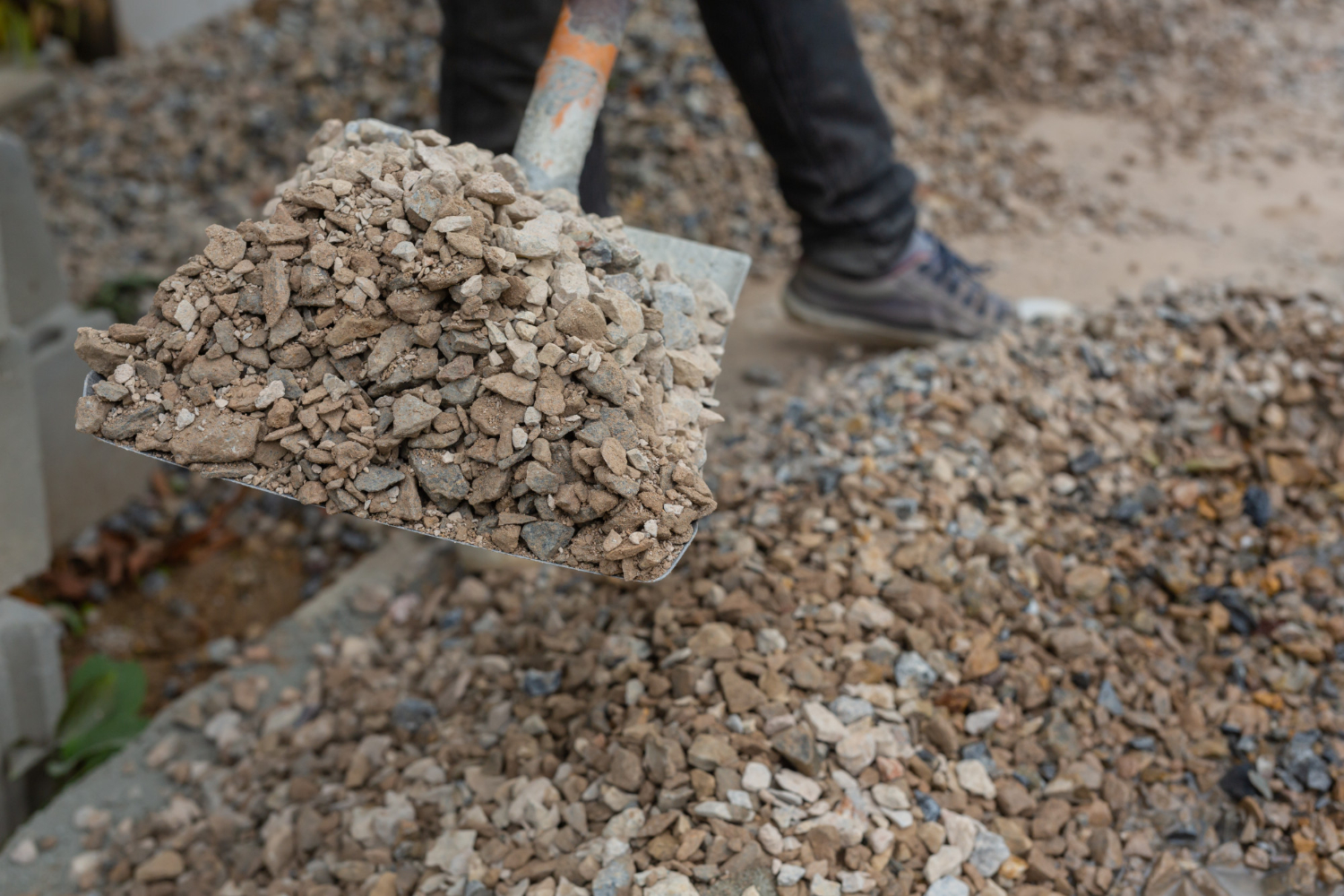
Choose a Gravel Supplier You Can Count On Picking a gravel supplier in Los Angeles can feel like just another line on your to-do list, but it affects the whole project. When you are planning summer cookouts, drought-tolerant yards, or a fresh backyard hangout, the gravel you bring in sets the base for everything else.
When Artificial Turf Makes Sense for Los Angeles Yards
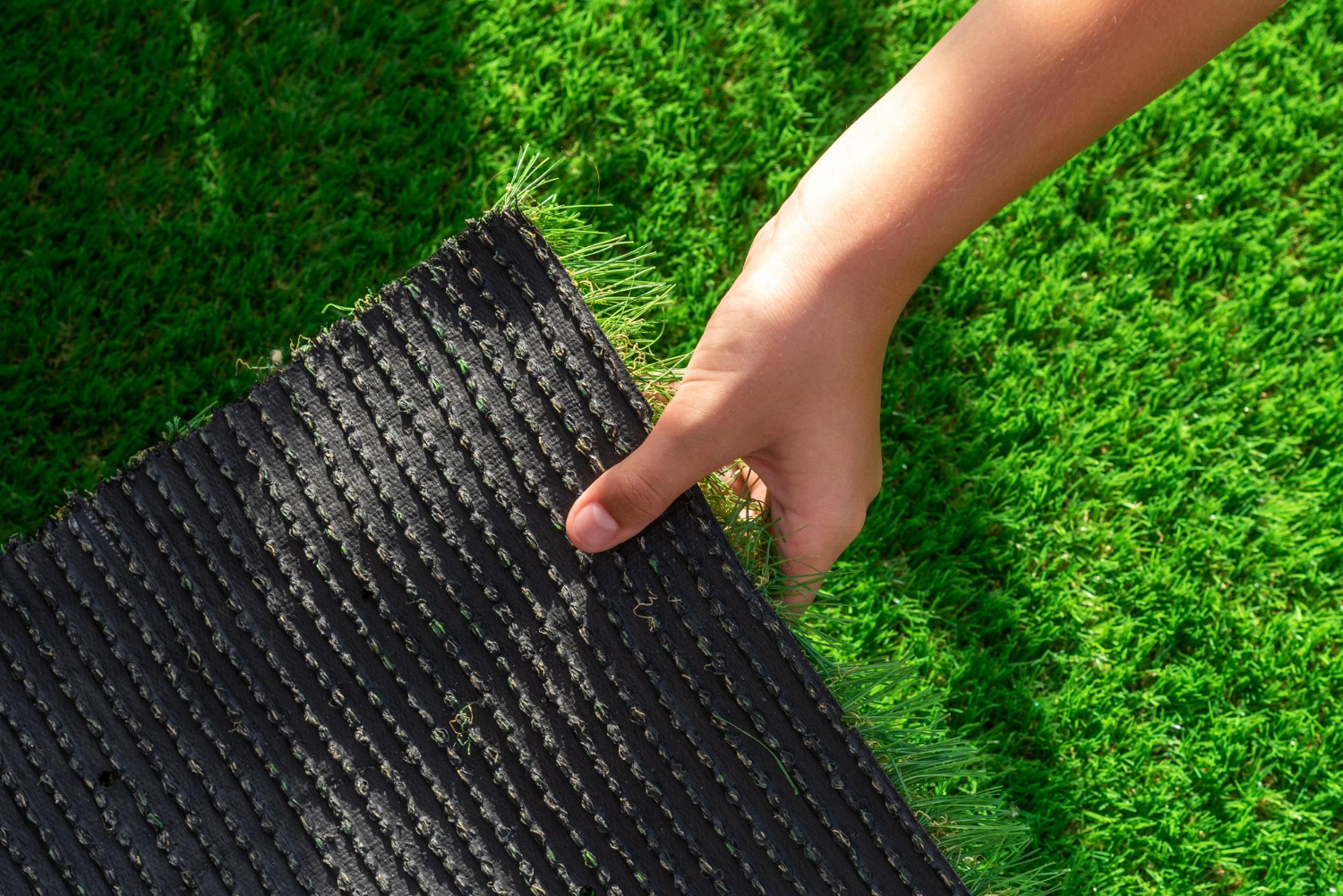
Why Artificial Turf Makes Sense in Los Angeles Heat Hot, dry summers make real grass tough to keep alive in Los Angeles. By late July, many yards are faded, thin, and struggling under watering rules. Sprinklers run at odd hours, water bills stay high, and the lawn still looks tired. That is where artificial turf
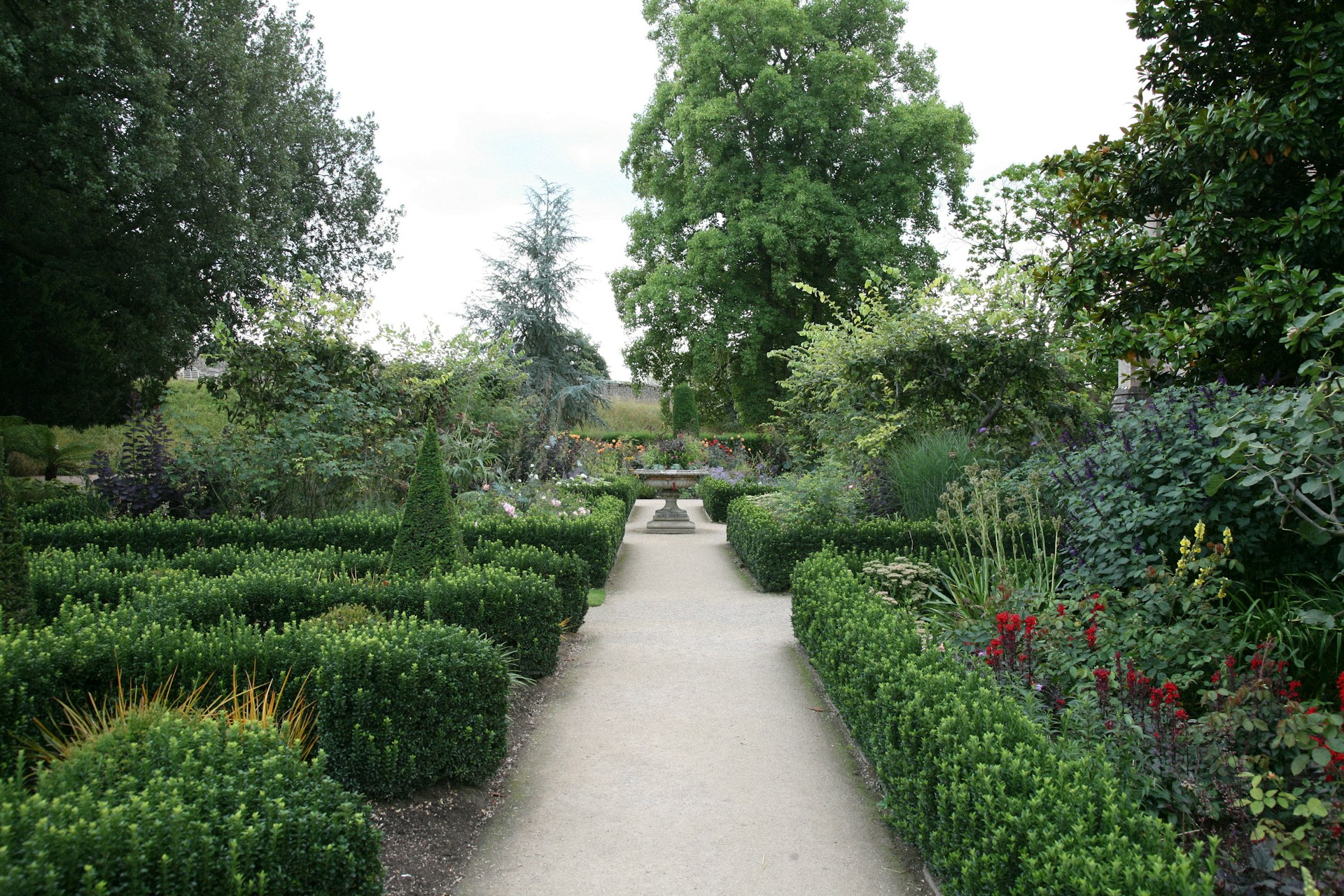
LA Garden Path Planning: Decision Tree for Budget, Accessibility, and Materials
Start with How You Want Your Path to Feel A yard can look nice from the patio, but feel totally different once you start walking through it. Many Los Angeles homeowners realize their “paths” are just dusty tracks, random stepping stones, or spots where people trip on sprinkler heads. The right garden path materials do
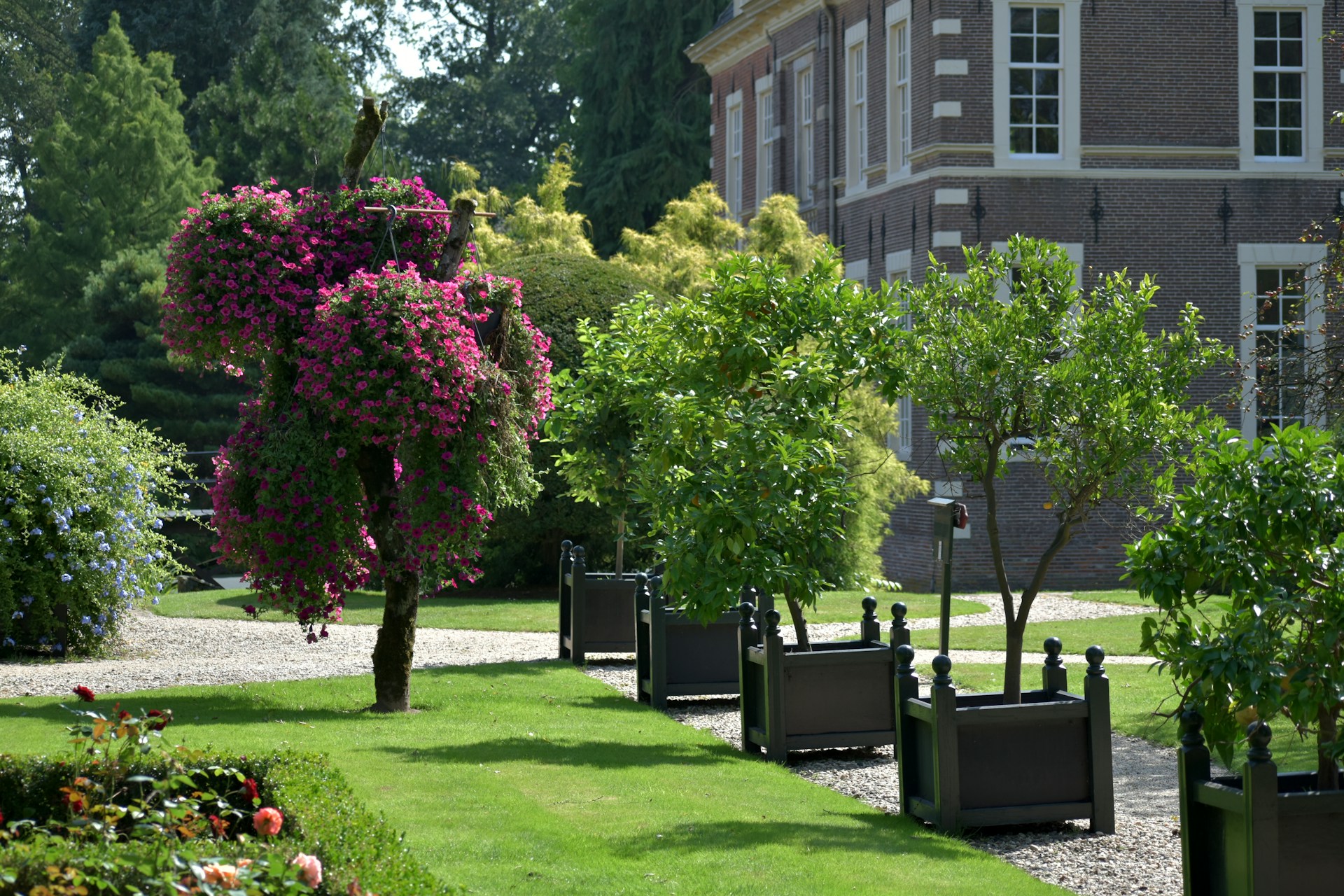
Question-Based Planning for Gravel Garden Pathways in LA Yards
Unlocking Low-Stress Gravel Paths for LA Yards Gravel garden pathways can turn a dry, tired yard into a cool and calm place to walk and relax. In many Los Angeles homes, yards get a lot of sun and have hard surfaces that trap heat. Swapping some of that hot concrete or thirsty grass for gravel
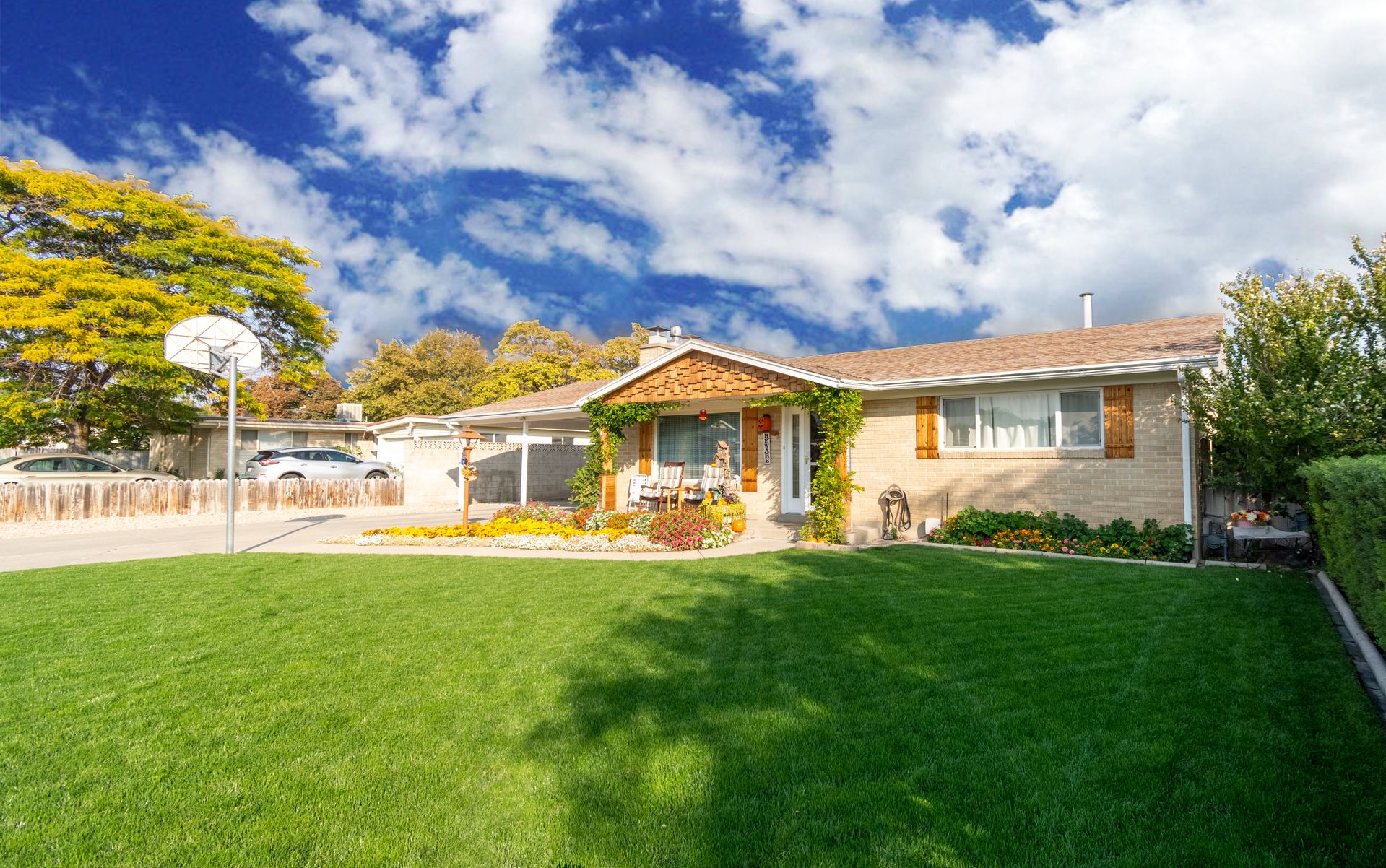
Question-Based: Is Artificial Turf Right for Los Angeles Front Yards?
Why LA Homeowners Are Rethinking Their Front Yards Artificial turf in Los Angeles front yards is not a trend by accident. Long hot days, water rules, and tired grass all push homeowners to ask if there is a better way to keep a front yard looking neat and welcoming. By mid-summer, many lawns are faded,
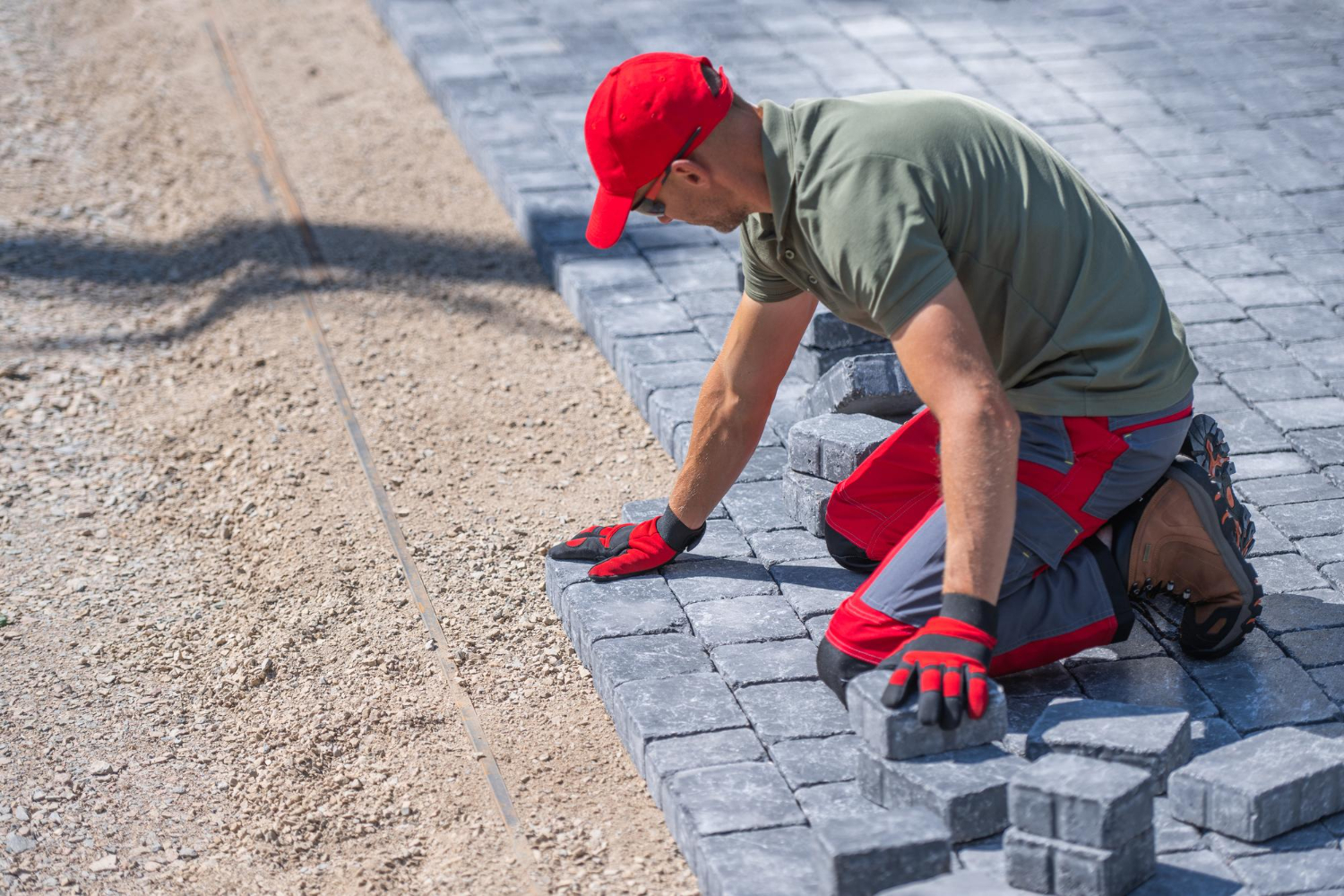
Underlayment under Pavers: Fabric vs. Decomposed Granite vs. Sand
Build a Stronger Patio Base That Lasts for Years A paver patio or path should make your yard feel clean and low-stress, not like another chore. Yet many Southern California homeowners and contractors see the same problems again and again: pavers settling, edges sinking on sloped yards, or weeds popping up between joints only a
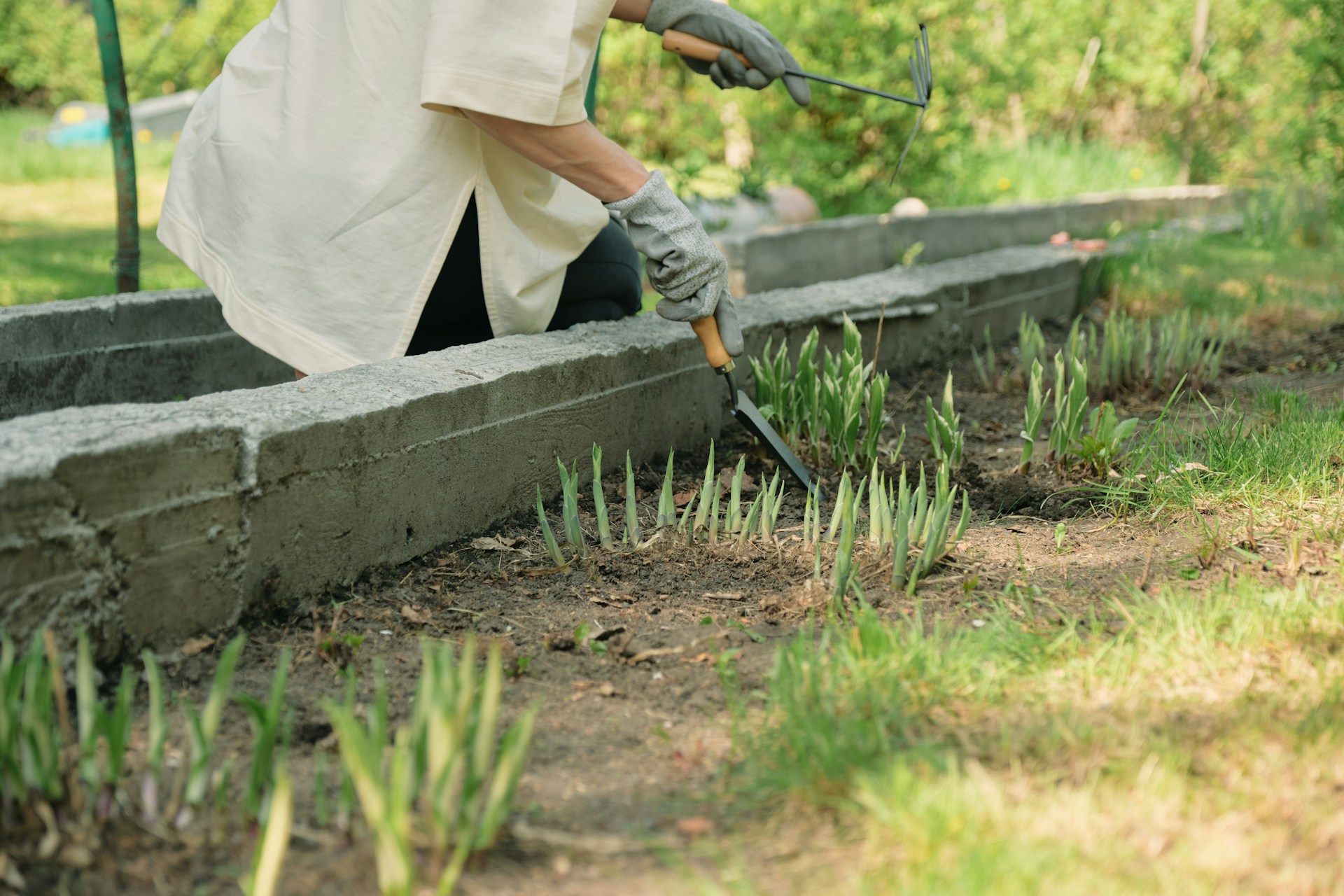
Mistakes Diyers Make with Concrete Garden Blocks in Hot Yards
Keep Your Cool: Avoid These Hot-Weather Block Fails Concrete garden blocks can look sharp around a flower bed or raised planter. They are strong, clean, and easy to stack. But in a hot, sunny yard, they behave in ways many homeowners do not expect. After one long, bright summer, those neat lines can start cracking,
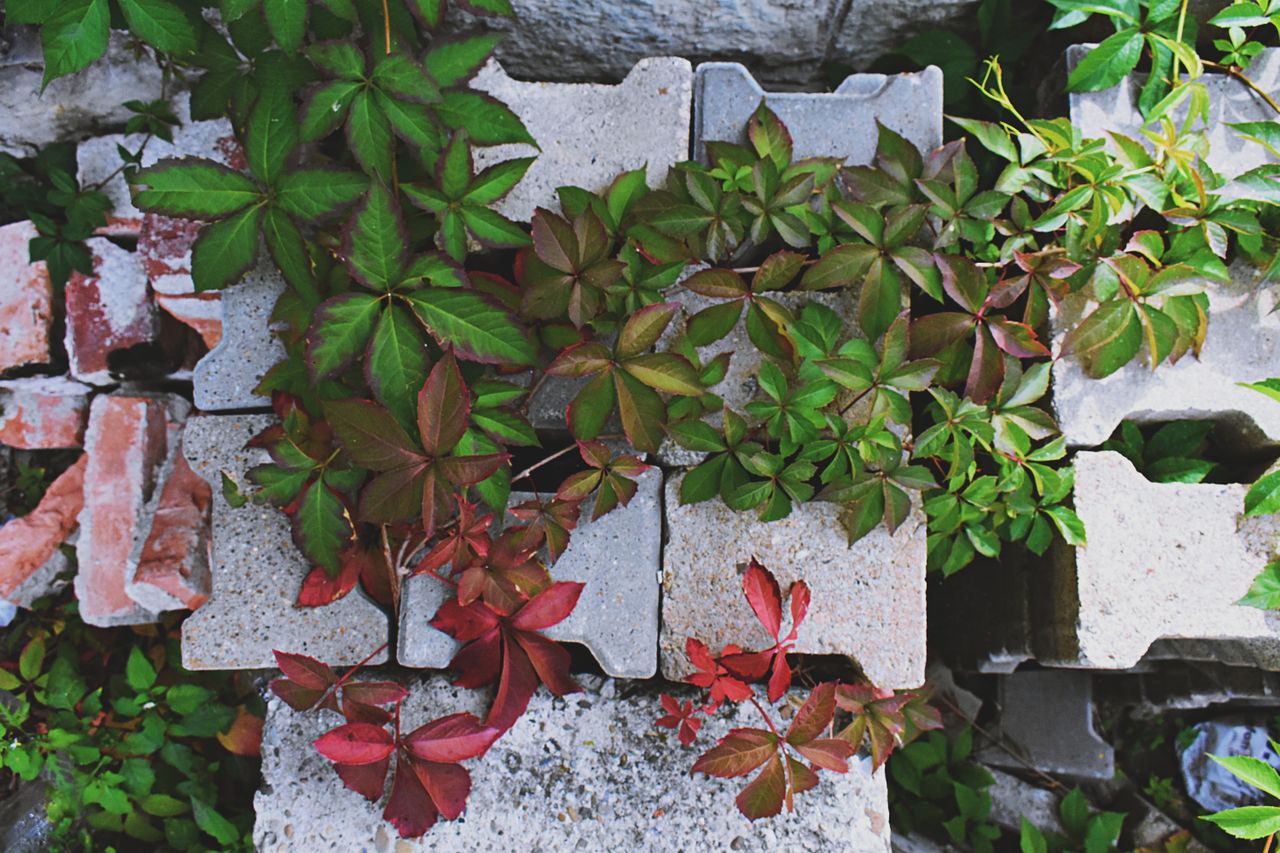
Choosing Garden Concrete Blocks for Modern Los Angeles Yards
Give Your LA Garden a Modern Edge This Summer Concrete blocks can turn a plain Los Angeles yard into a clean, modern outdoor space that feels cool and put together. When you build raised beds, short walls, and borders with garden concrete blocks, you give plants a strong frame and your yard a simple, stylish
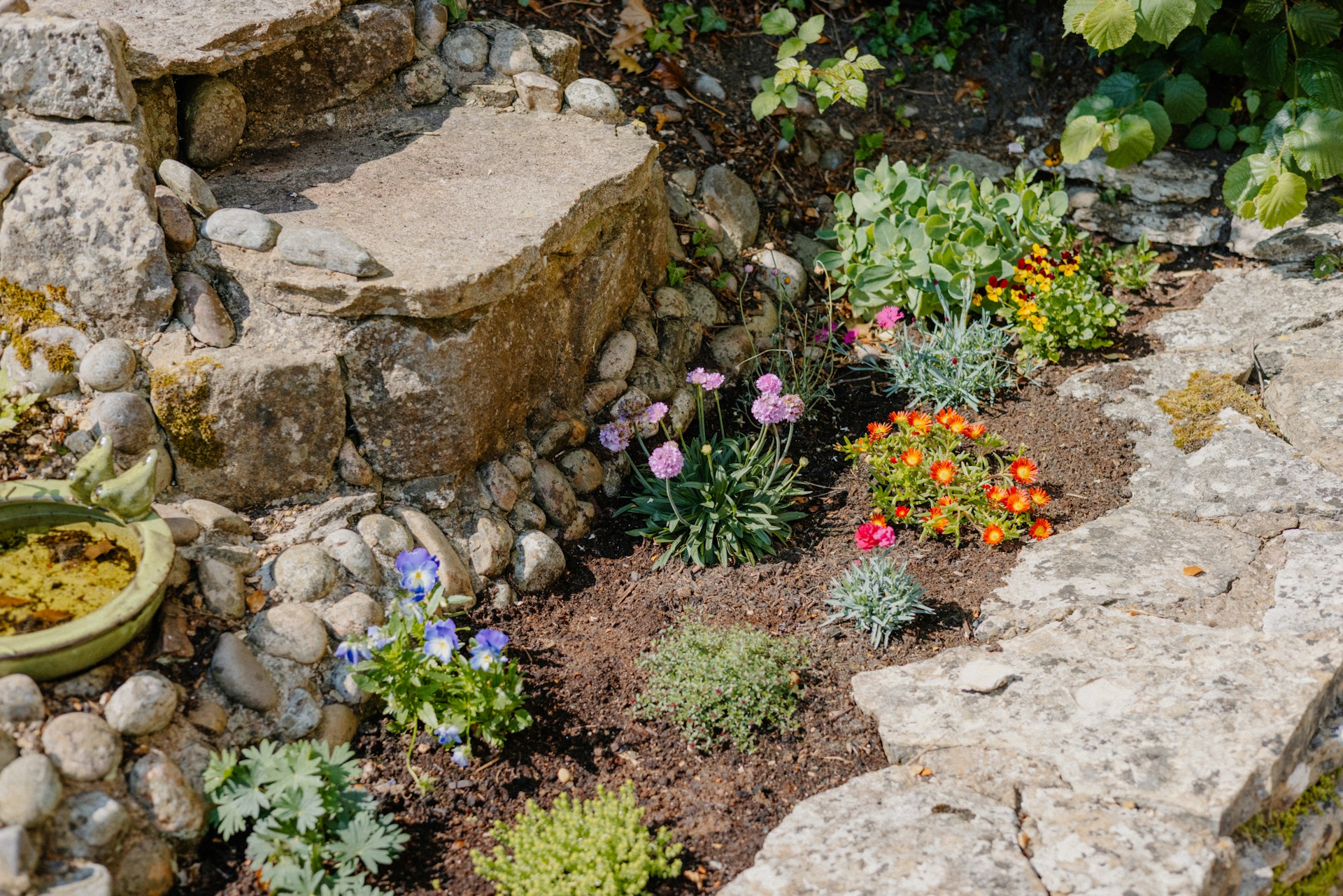
Choosing Landscape Rock Delivery in Los Angeles for Steep Yards
Steep yards are common around Los Angeles, especially in hillside neighborhoods and canyon areas. Those slopes can erode, wash out, and feel too risky to enjoy, which is frustrating when you would rather have a yard that is safe, clean, and easy to care for. The right landscape rock, delivered where you need it, can
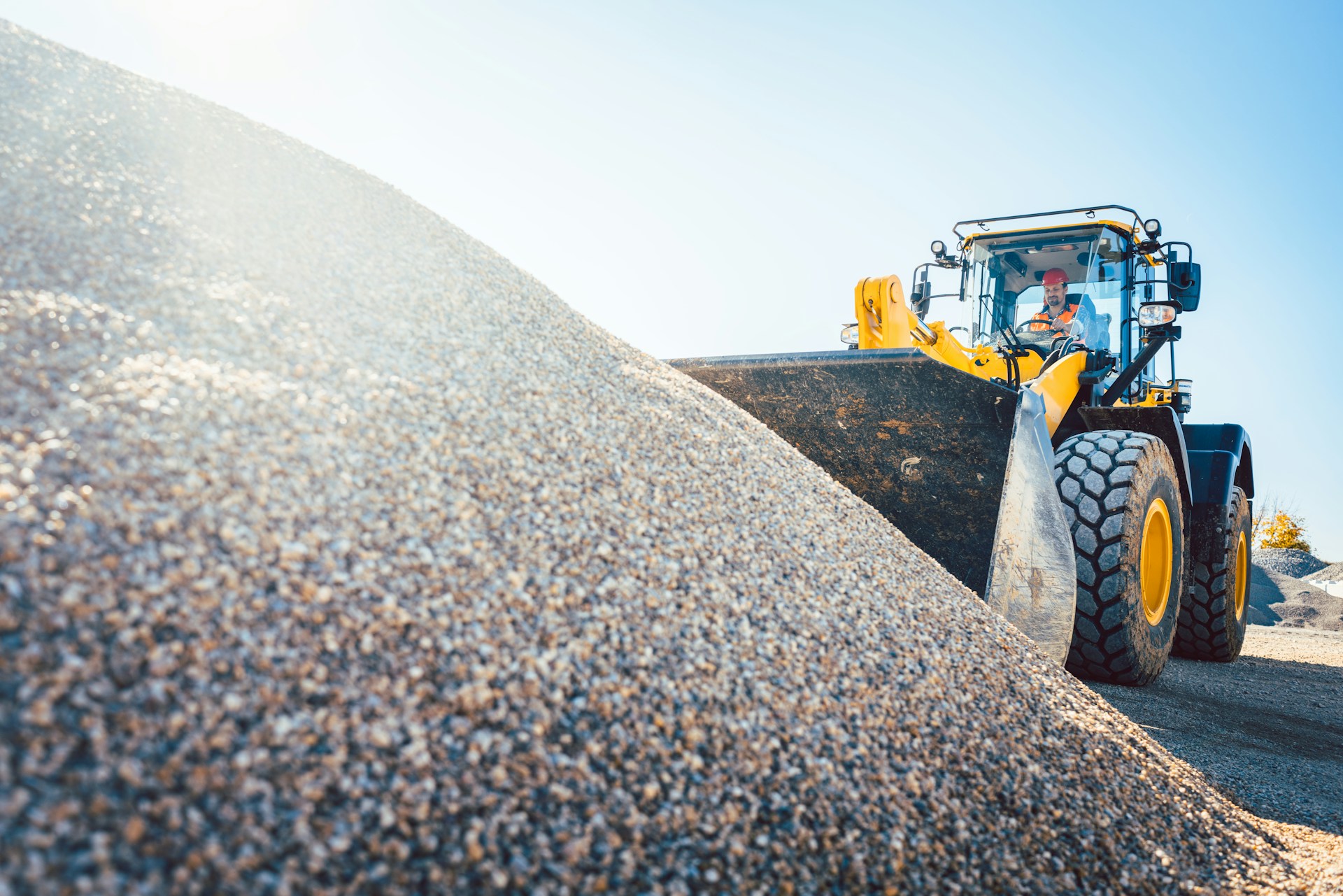
Signs Your Gravel Supplier Can’t Handle Landscape Rock Delivery
Signs Your Gravel Supplier Cannot Handle Landscape Rock Delivery Choosing the right rock and gravel is only half the battle. If your supplier cannot deliver on time, your whole outdoor project can stall before a single rock leaves the yard. Crews wait around, rental equipment sits unused, and your budget and patience both start to