Los Angeles Outdoor Living Supplies for Shade-First Patio Design
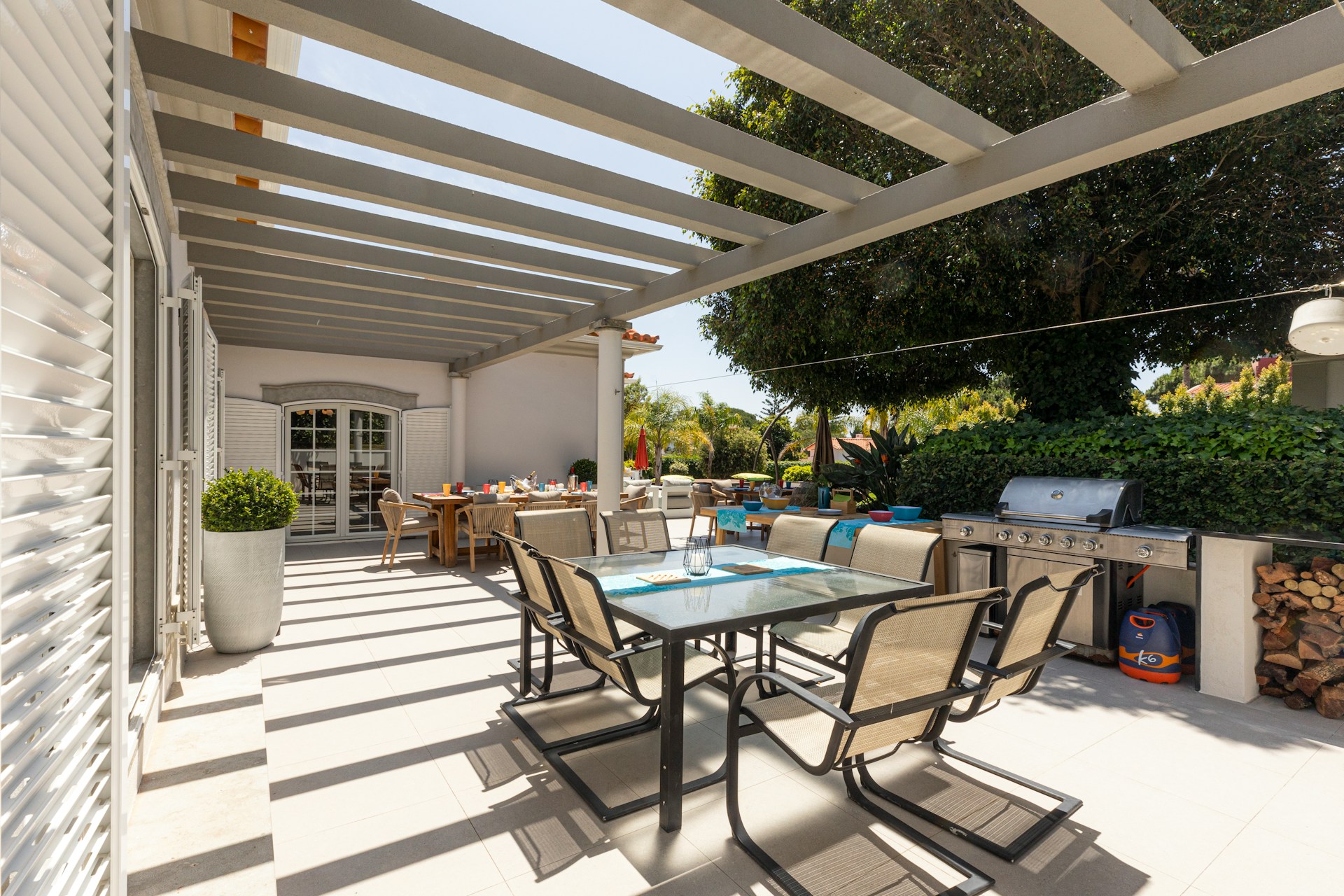
Design a Cooler Patio Retreat That Works Year-Round
Shade is the secret to a patio that actually gets used in Los Angeles. When the sun is high, late summer and fall afternoons can feel harsh on bare concrete or dark stone. If there is no shade, most people head back inside, even if they have a beautiful patio.
A shade-first patio design puts comfort before everything else. Instead of adding an umbrella at the very end, you plan shade structures, surfaces, and plants together from the start. That way your hardscape, your furniture, and your greenery all work as one cool, inviting outdoor room.
We like to think about how people really live outside. You might want a spot to relax after work, space to hang out with friends, or a quiet corner to read. With thoughtful planning and the right outdoor living supplies in Los Angeles, you can enjoy that space for more hours each day and for more months of the year.
Why Shade-First Planning Matters in Los Angeles
Los Angeles sun is no joke. On open patios, the combination of direct sun, UV rays, and light bouncing off hard surfaces can make the ground feel hot and the air around you feel heavy. Even in the evenings, stored heat in dark stone or concrete can keep the area warmer than you would like.
Shade-first planning changes that. Some of the benefits include:
- Cooler surface temperatures that are easier on bare feet and pets
- More comfortable seating, even in the middle of the day
- Better protection for cushions, decks, and finishes
- Longer daily use of your patio from morning to night
When you plan for shade at the very beginning, every material choice lines up with that goal. Paver color, surface texture, gravel type, mulch, and plant selection all connect back to where the sun hits and where you want relief. This helps you avoid a patio that looks good but only feels nice for an hour or two.
Shade also affects layout. For example, you might rotate the main seating area to line up with a pergola, or choose brighter pavers where you know direct sun will hit. Thinking through these details early keeps your patio comfortable and easier to enjoy over time.
Smart Paver Choices for Cooler, Shadier Patios
The ground under your feet has a big impact on how hot your patio feels. Dark, smooth surfaces can soak up heat and reflect glare. Lighter pavers and natural stone usually reflect more light and stay more comfortable.
Good options for cooler patios include:
- Light or mid-tone concrete pavers
- Tumbled pavers with a softer, weathered look
- Natural stone in lighter shades with some texture
Texture also matters; under shade, glossy or very smooth surfaces can still catch light at certain angles and feel slick when damp. Patterns that add grip, like tumbled pavers, textured concrete pavers, or naturally split stone, help create a safer and more relaxed feel.
Thoughtful paver choices are not just about comfort. They also help define the style of the space. Matching caps, edging, and step treads bring your design together, especially when you are tying in patios, walkways, and small raised areas. With job-ready hardscape materials, it becomes easier for both DIY homeowners and trade professionals to create a clean, unified patio surface that supports shade structures above.
Layered Shade Structures That Beat LA Heat
One umbrella is rarely enough in Los Angeles. A stronger approach is a layered shade strategy, where permanent and flexible options work together. This lets you adapt to different times of day and different ways you use your patio.
Permanent structures can include:
- Pergolas over main seating areas
- Gazebos or solid-roof pavilions for all-day coverage
- Shade sails stretched over key hot spots
Then you add flexible layers:
- Freestanding or cantilever umbrellas that follow the sun
- Outdoor curtains along one or two sides of a pergola
- Retractable canopies you can open or close as needed
To make all of this stable and good-looking, planning with your surface is important. Footings, post bases, and column locations should match your paver or stone layout. You do not want posts landing on paver edges or blocking natural walking paths. A solid gravel base under your patio, along with block, caps, and seating walls, can support sturdy posts, raised planters, and built-in benches that all play a role in shading and shaping your space.
Cool Ground Covers, Turf, and Mulch for Comfort
Not every inch of your yard needs to be hardscape. Ground covers around your patio help control heat, glare, and water flow. Different materials have different strengths.
Synthetic turf works well when you want a green look with low upkeep. It pairs nicely with paver borders or stepping stones and can be cooler than some dark hard surfaces, especially when you choose lighter infill and provide shade. Gravel and decorative rock are great for drainage and can break up heat islands around big paved spaces.
Mulch is another powerful tool for shade-first yards. Around trees, planter beds, and borders, it helps:
- Keep root zones cooler
- Reduce moisture loss from the soil
- Cut down on glare from bare dirt
- Create a softer, more natural edge next to pavers
When you mix turf, gravel, stone, and mulch in the right way, you get a yard that handles sun better and still feels clean and organized around the patio.
Planting for Shade, Privacy, and Seasonal Enjoyment
Plants are your living shade structures. Shade trees, tall shrubs, and vines on trellises can turn open patios into comfortable outdoor rooms. When they interact with pavers and stone paths, you get natural-looking spaces that still feel finished.
For Los Angeles, many people prefer climate-appropriate plants that do well with strong sun and limited rain. The goal is usually filtered shade and privacy without blocking all light or overwhelming a small area. Smart plant choices might include:
- Medium-height trees for dappled shade over seating areas
- Tall, narrow shrubs along fences for privacy screens
- Vines on pergolas or trellises to soften hard lines
The right mulch, edging, and decorative rock keep these plantings healthy and your patio cleaner. Mulch and rock help manage splashing soil, reduce weeds, and keep water where roots can actually use it. Clean edging between planting beds and pavers stops gravel and bark from spreading onto your patio, so it stays easy to sweep and enjoy.
Turning Your Shade-First Patio Plan Into Reality
Before you start buying materials, it helps to grab a simple sketch of your yard and map the sun. Notice where the strongest afternoon sun hits, where you naturally like to sit, and how you hope to use the space during fall gatherings, relaxed weekends, and the next warm season. From there, pick your main shade zones first, then choose pavers, stone, turf, gravel, mulch, and plants around those core areas.
At Mr. Pavers, we focus on helping people in our area build outdoor spaces that look good and actually feel comfortable to use. Whether you are a DIY homeowner or a contractor, coordinating your surfaces, shade structures, and plant beds from the start makes the whole project smoother and your patio much cooler for years to come.
Get Started With Your Project Today
Transform your yard into a functional, beautiful extension of your home with help from Mr. Pavers. Browse our curated selection of outdoor living supplies in Los Angeles to find everything you need for your next project, from pavers to finishing touches. If you would like guidance choosing materials or planning your layout, simply contact us and we will help you move from idea to installation.